fellows

Photo by: Marika Vanderkraats

Ioana Lupașcu is a Rotterdam-based Romanian artist working between writing, facilitation, and experimental publishing, with a long-term engagement in rurality and post-socialist contexts in Eastern Europe. Their practice explores how diasporic knowledges and informal solidarities shape relational networks across villages and the landing places of the diaspora.

Since 2020, they have been a member of Seasonal Neighbours, a collective interested in agriculture, seasonality, and seasonal migrant movements across Europe. In 2024, together with Jiye Seong, they formed Burta Collective, which seeks to find accessible and playful ways to document and map diasporic queer experiences. Formally trained in architecture at Ion Mincu University in Bucharest (2014), Ioana was also Trainee at the European School of Urban Game Design by Trust in Play (2020), and a student in Art Praxis at the Dutch Art Institute (2022).

During the harvest season, Ioana can be found in Romania. Otherwise, they are in the Netherlands working as an artist, facilitator, cook, or bookseller and print technician at KIOSK Rotterdam.

Artist's Website.

No items found.
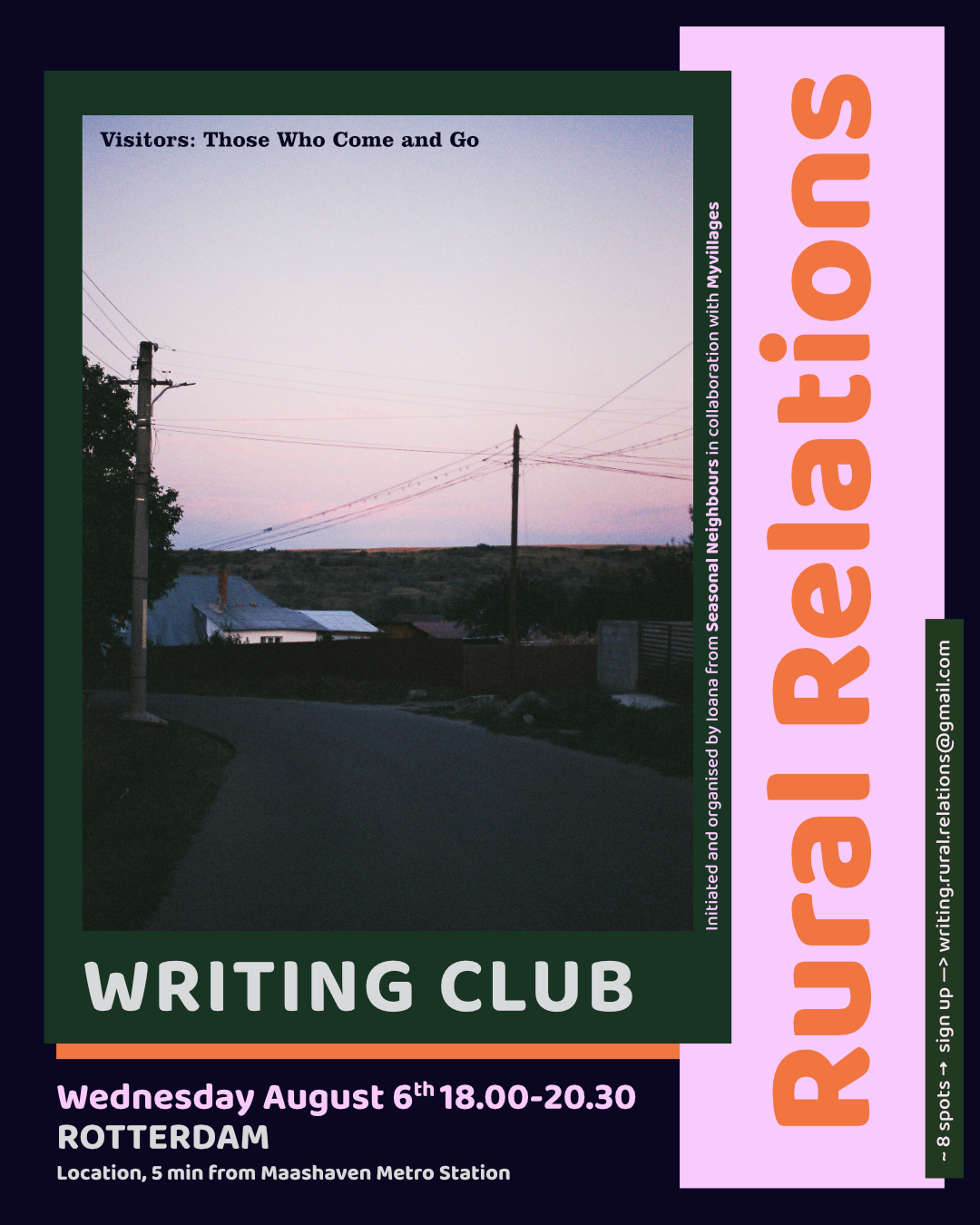
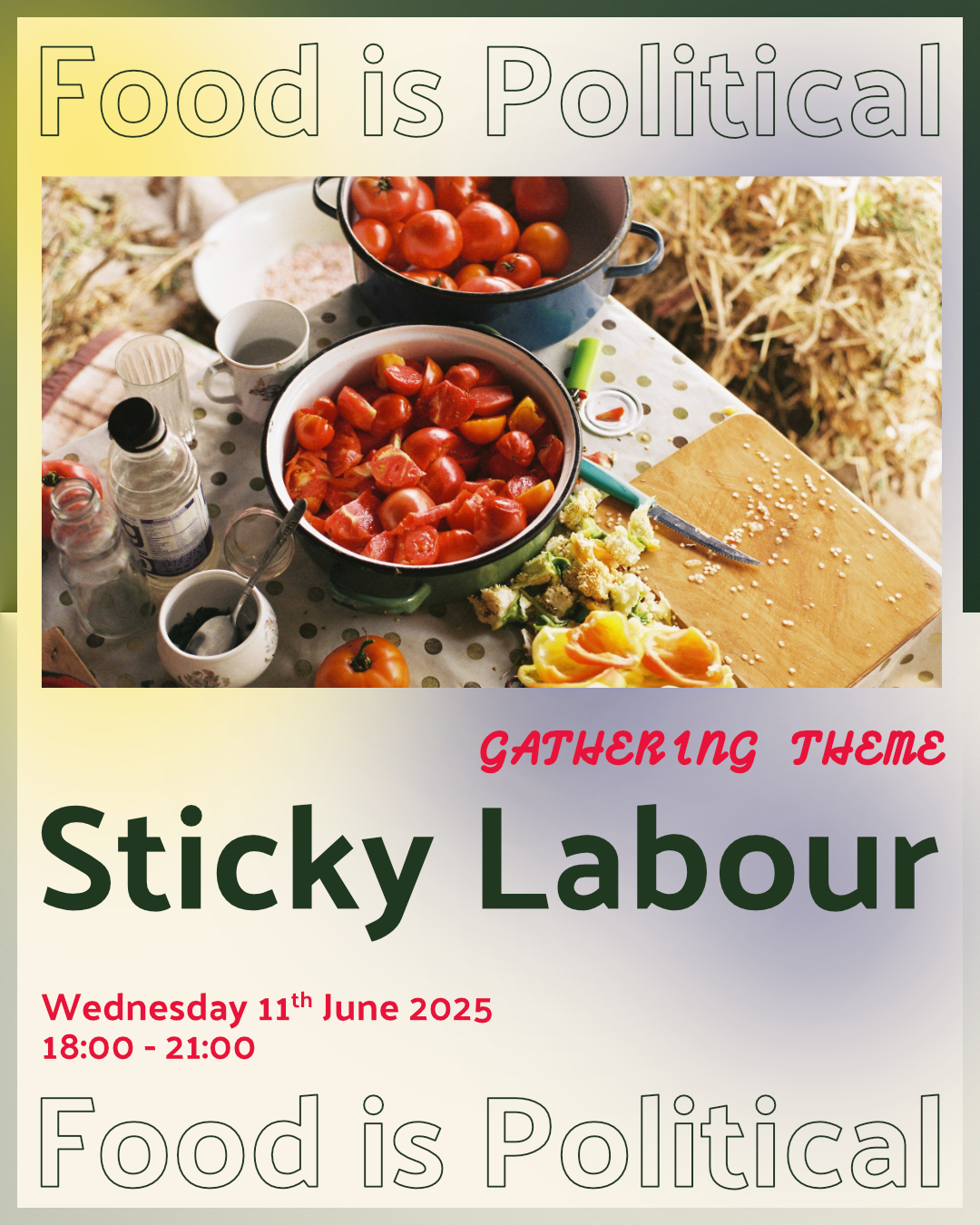
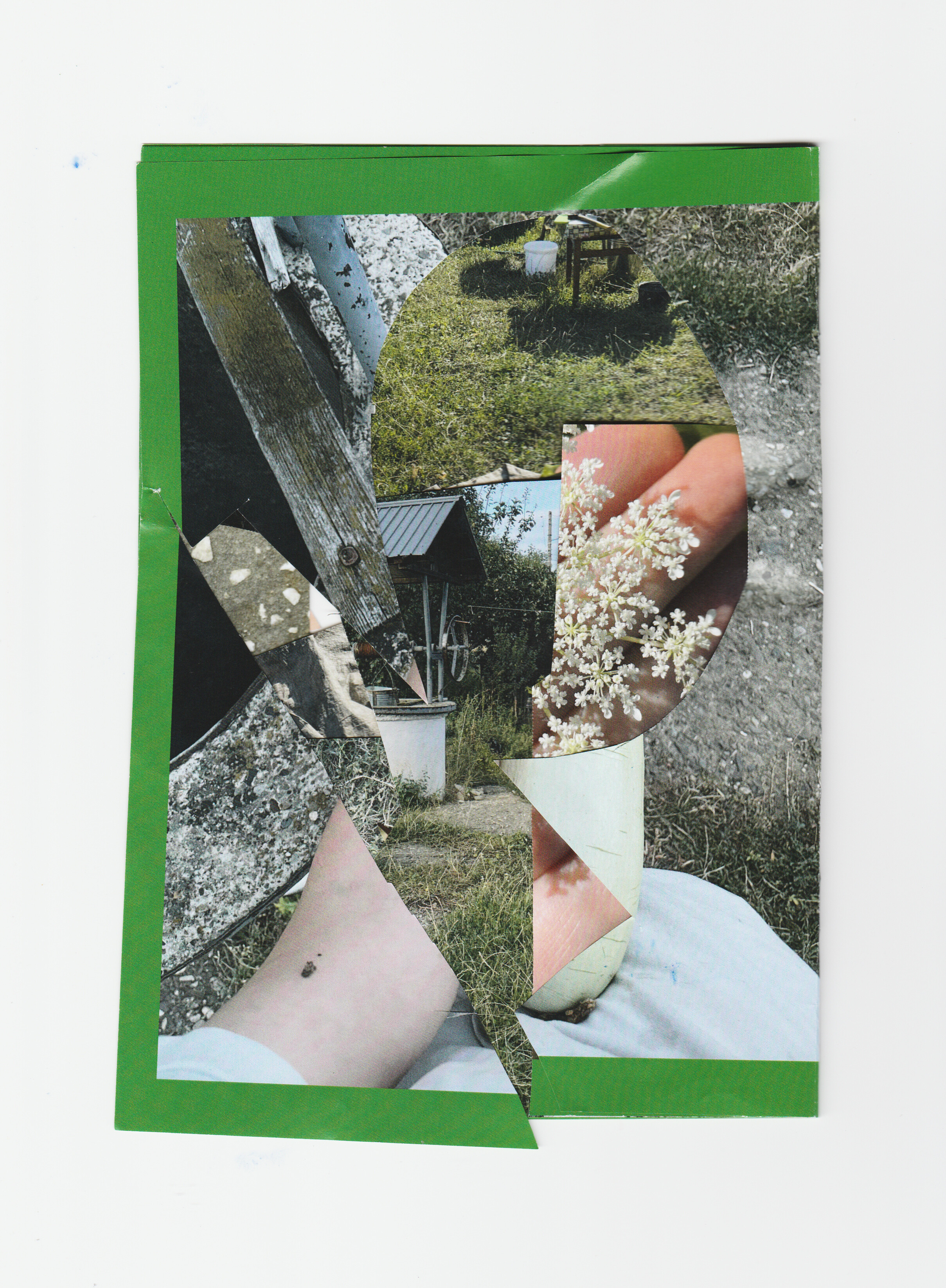
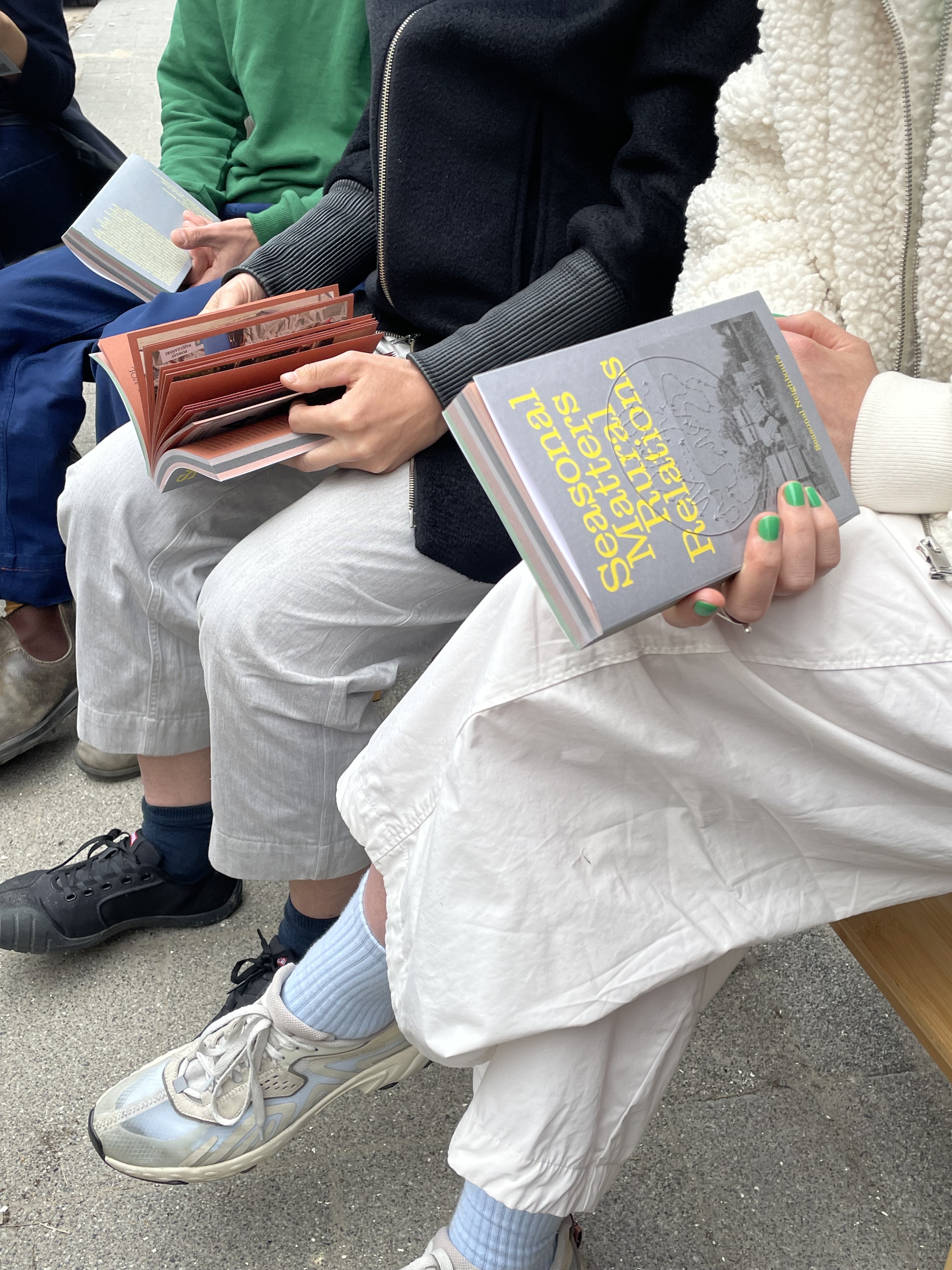
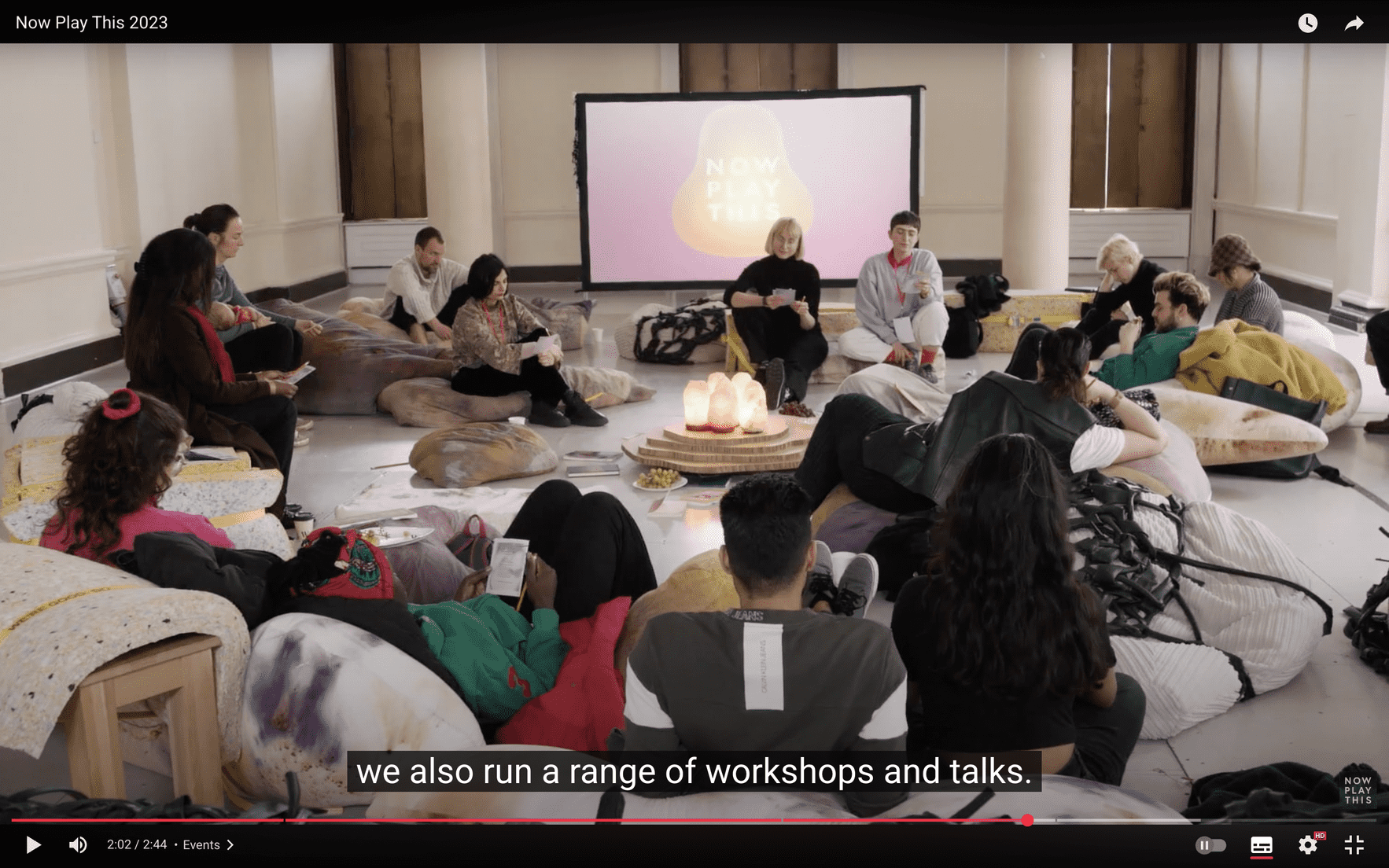
1. The Case of the Suitcase. Publication, Burta Collective, Riso and Friends (Reijka), 2025; 2. Rural Realtions, writing group 6; 3. FIP, Sticky Labour; 4. Soup Poem, 2024; 5. Harvest Scan, 2024; 6. Book Launch, Kiosk Photos; 7. Now Play This, 2023; 8. Seasonal Neighbours, Z33, Photo by: Selma Gurbuz
Artist statement

My practice begins from a position shaped by migration, agricultural labor, and the slow accumulation of lived knowledge in rural Romania — particularly the Moldova region, where my family is from and where I return regularly for work and harvest. My work engages with contemporary rural life in Eastern Europe as a site of continuous negotiation: between informal solidarities and structural abandonment, between the diaspora and the land, between the desire to document and the ethics of not flattening what resists representation.

Self-publishing functions as a method of material thinking. Booklets, zines, and score-like publications operate as shared spaces for multiple voices, languages, and temporalities to coexist. These objects are designed to be incomplete, multilingual, and used: to circulate hand-to-hand, to get stained, to be taken apart. Workshops and writing groups extend this logic. They are less about production than about creating the conditions for situated knowledges to surface, travel, and self-archive.

Underlying all of this is a question about translation: how do you move between the rhythms of rural, diasporic, and Western European art contexts without reducing any of them? My practice stays close to the friction of that problem—the interruptions. The work that emerges is slow, often collaborative, and informed by the women, fields, domestic labor, and informal economies that hold rural life in tension. Poetic inquiry and experimental writing are how the practice learns when to push and when to hold back.

No items found.
No items found.
No items found.
ALL generations:
other generations: