fellows

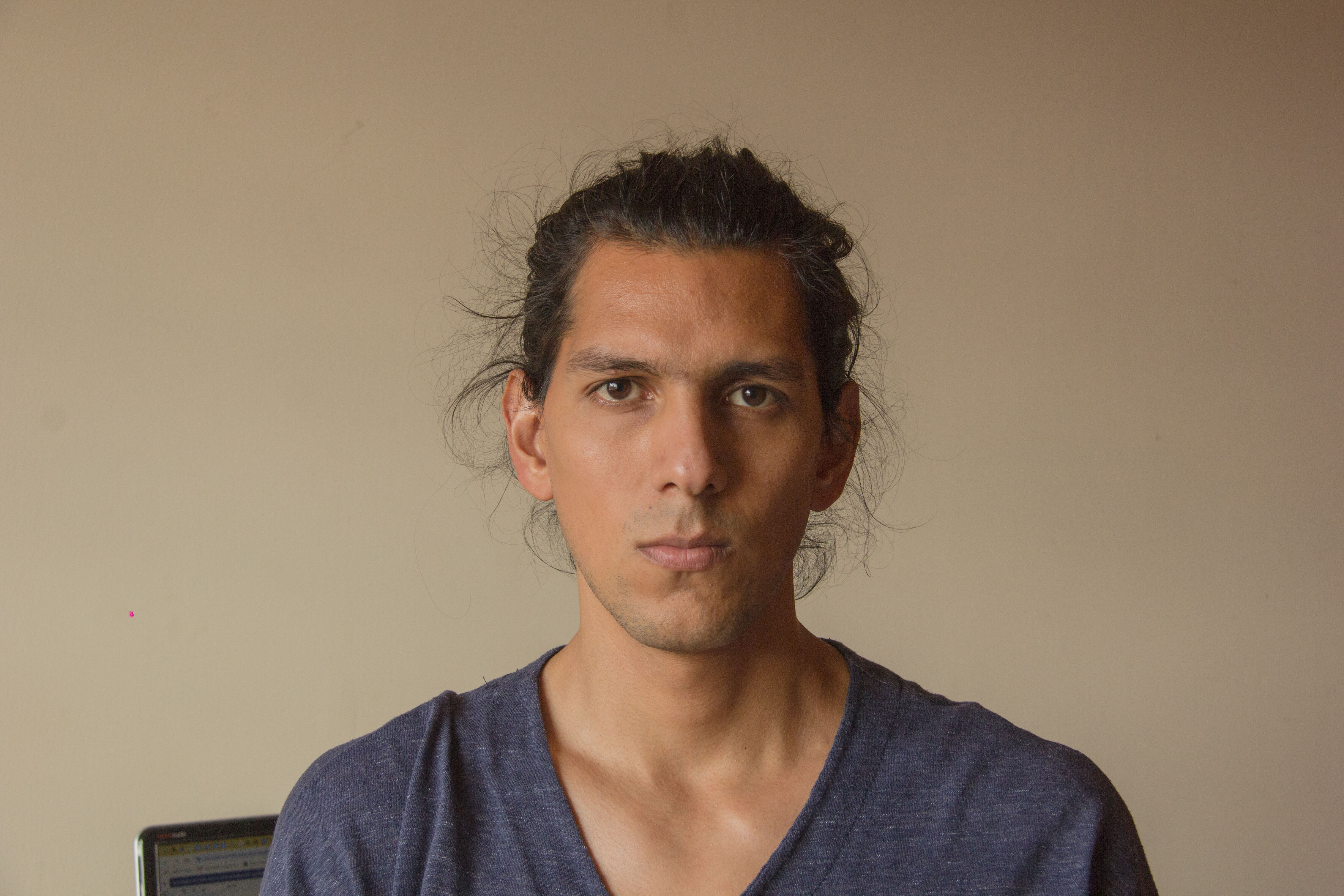
Esteban Prudencio (b. 1992, Tarija, Bolivia) is a filmmaker, curator, and informal researcher based between Bolivia and Cuba. With a background in science and technology as well as the humanities, he has worked for many years developing and producing small-scale film projects driven by a self-managed, collaborative, and interdisciplinary approach that explores non-fictional and essayistic forms.

Since 2023, Esteban has co-curated and co-organized Cinecubcito Boliviano, a film club dedicated to exhibiting contemporary Latin American cinema in various Bolivian cities. The project fosters a collective space for sharing cinematic experiences that challenge the dominant aesthetic and ethical paradigms that shape how we view moving image in our region.

In 2025, he completed a graduate program in filmmaking with a specialization in documentary directing at the International Film and TV School EICTV in Cuba.

Addressing the current condition of the Global South — marked by the ever-present colonial project and the eradication of both landscape and oral traditions — his practice seeks to generate an influx of counter-hegemonic images capable of opening cracks in the political, ecological, and affective imagination.
Artist’s Instagram and Vimeo.

No items found.
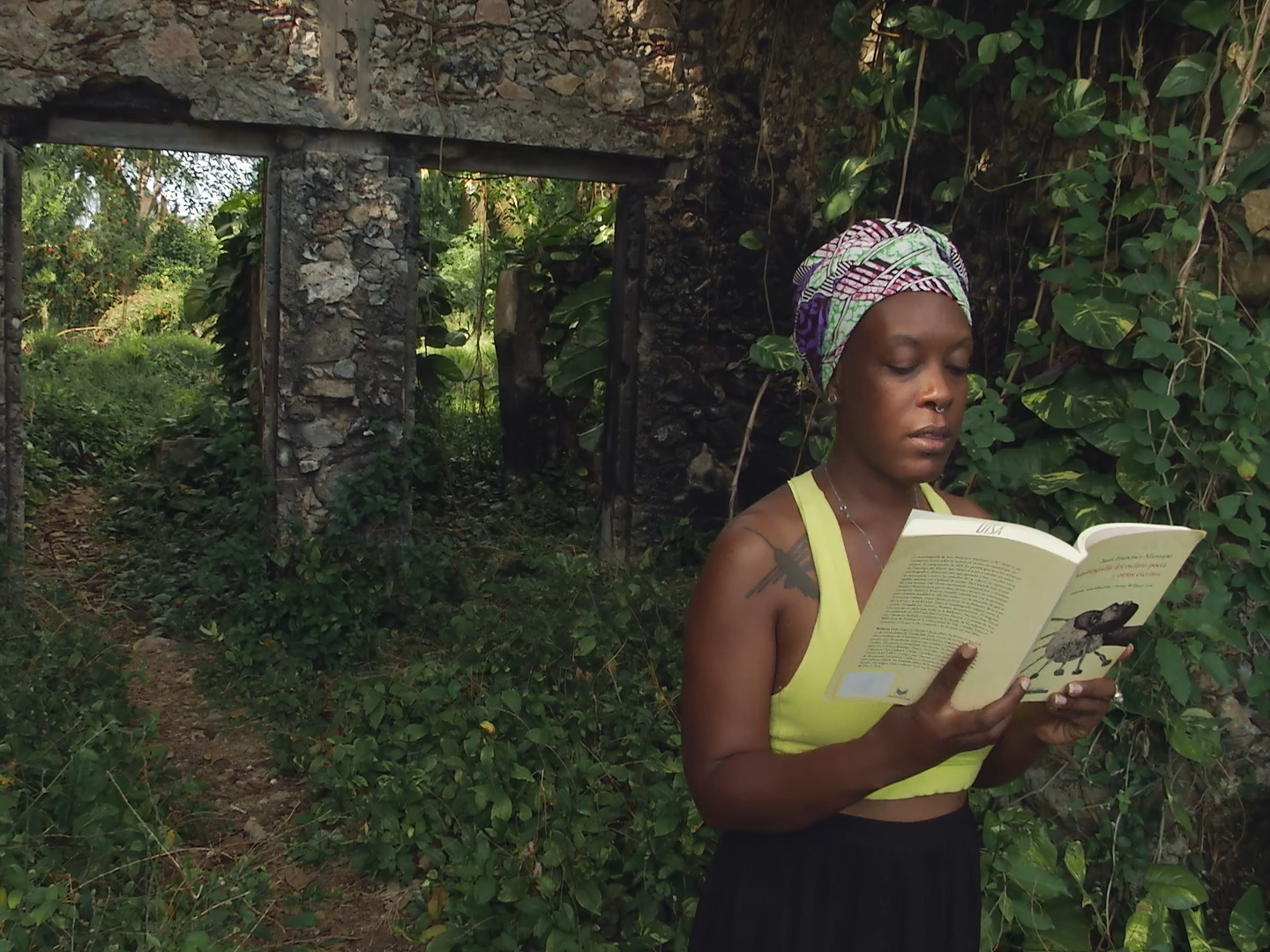
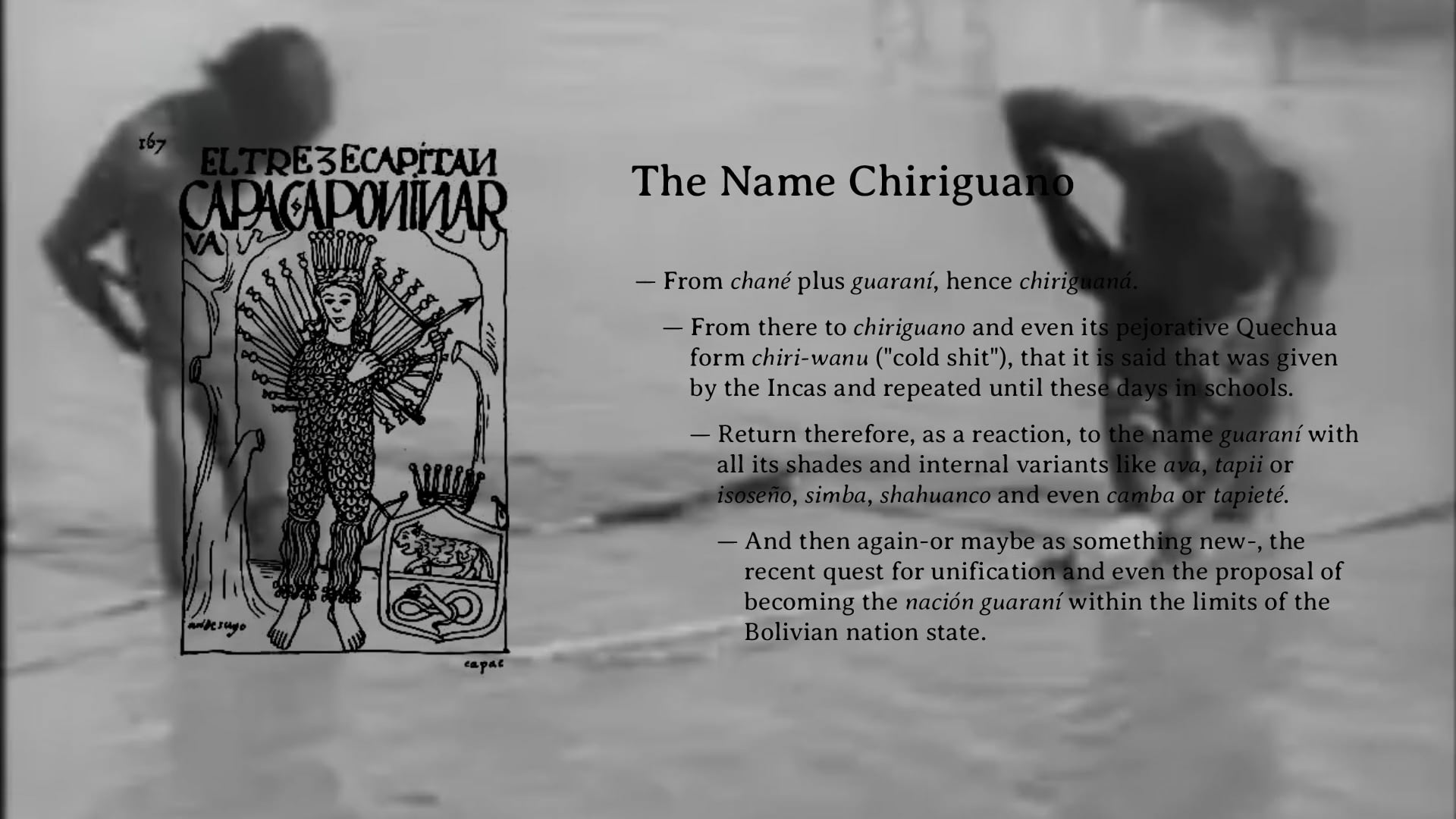
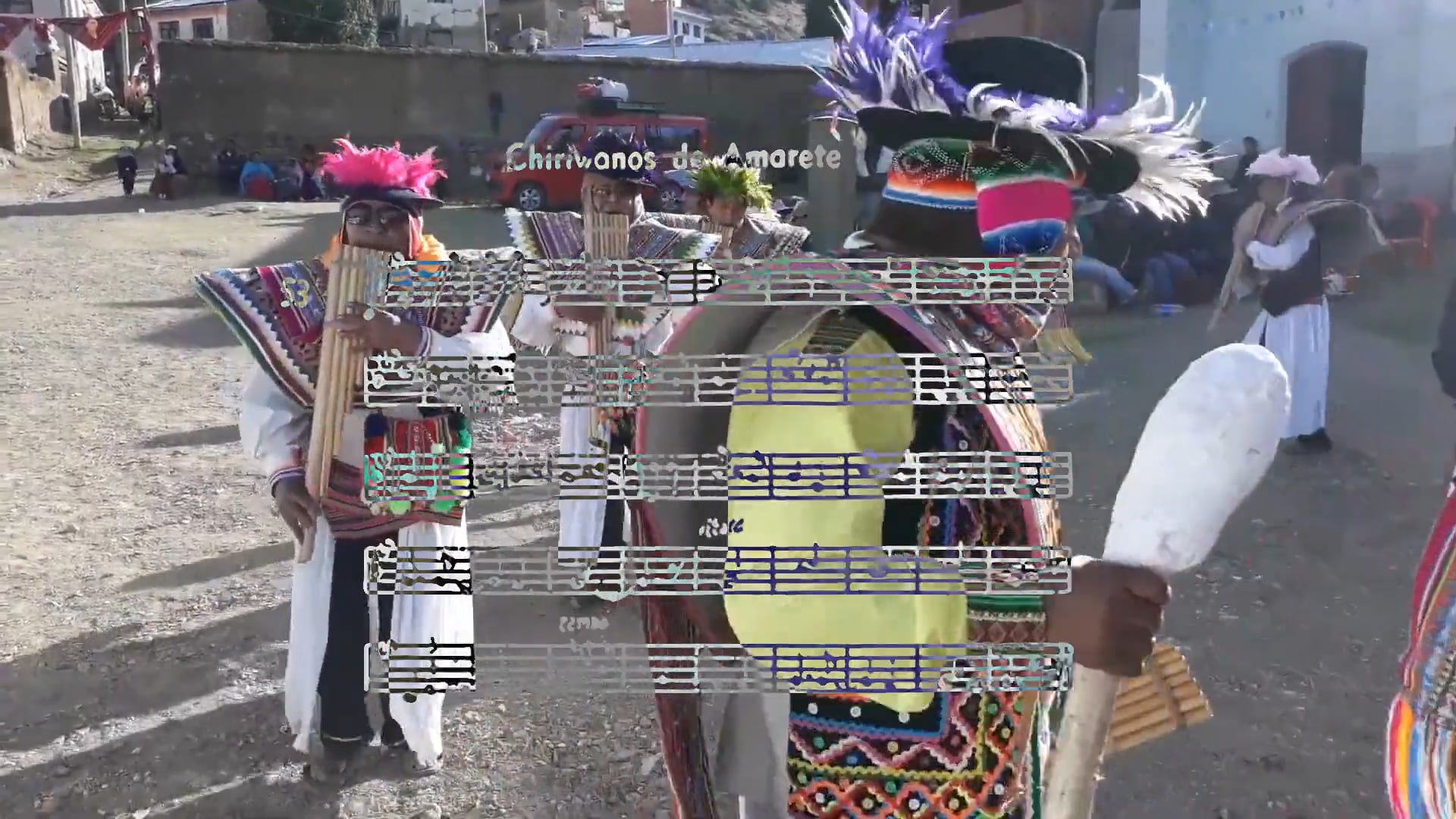
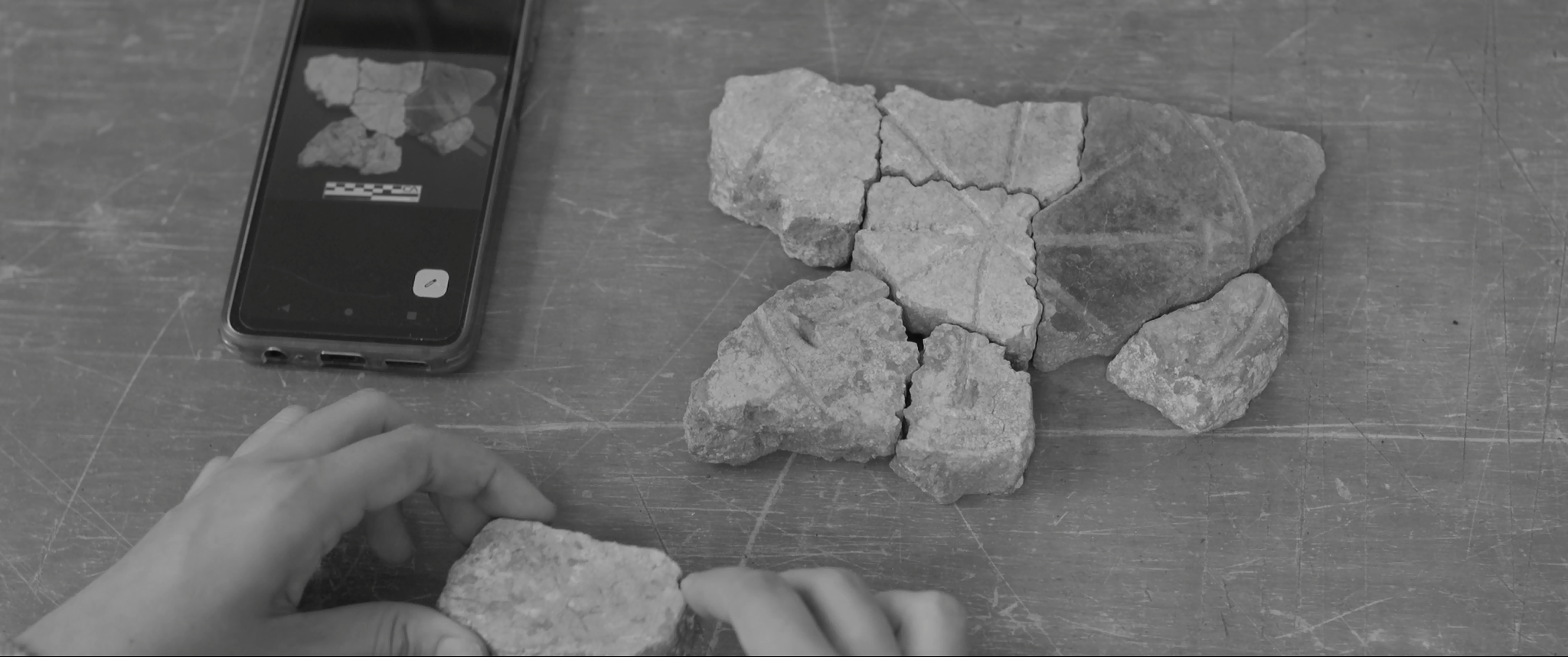
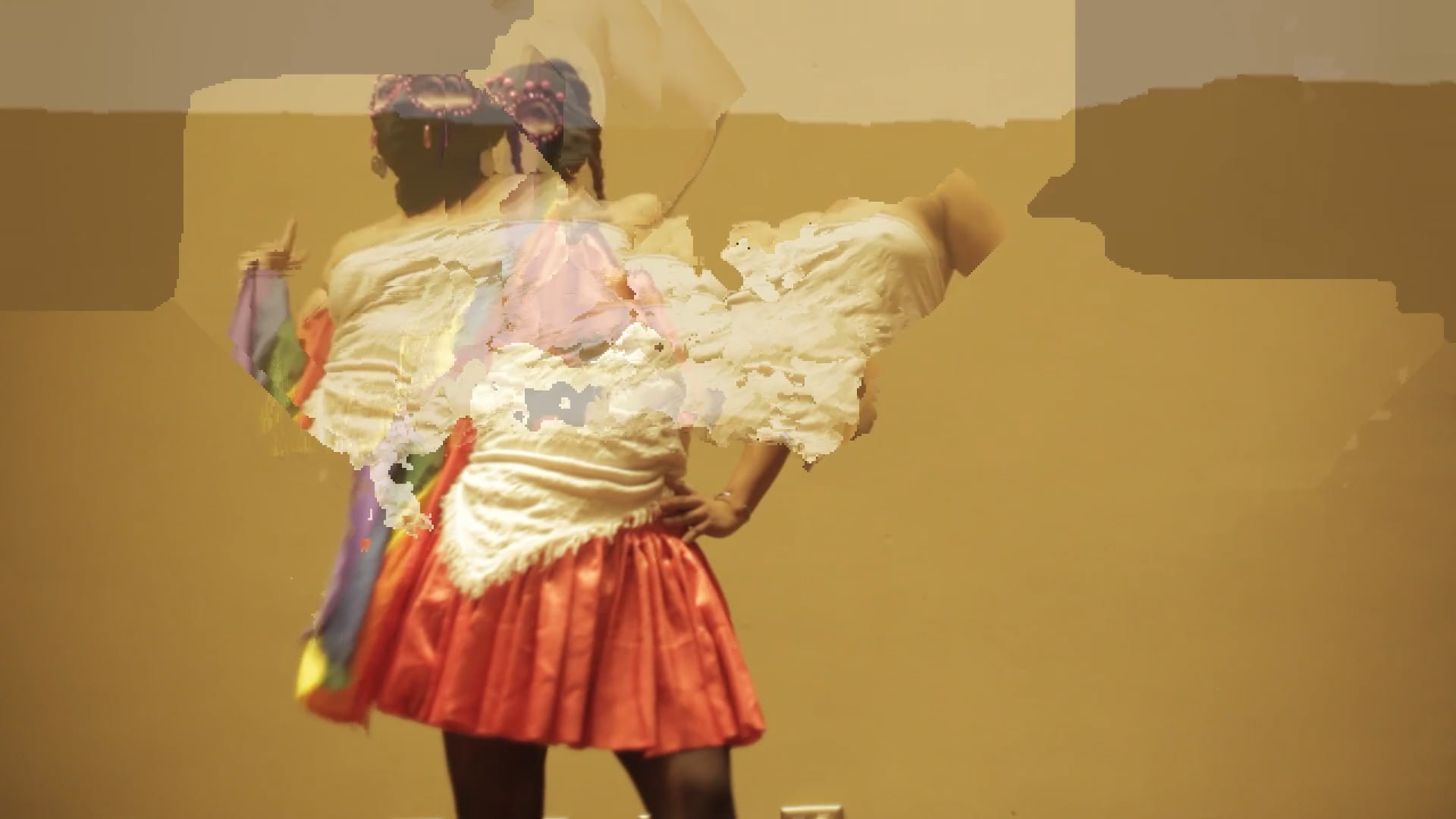
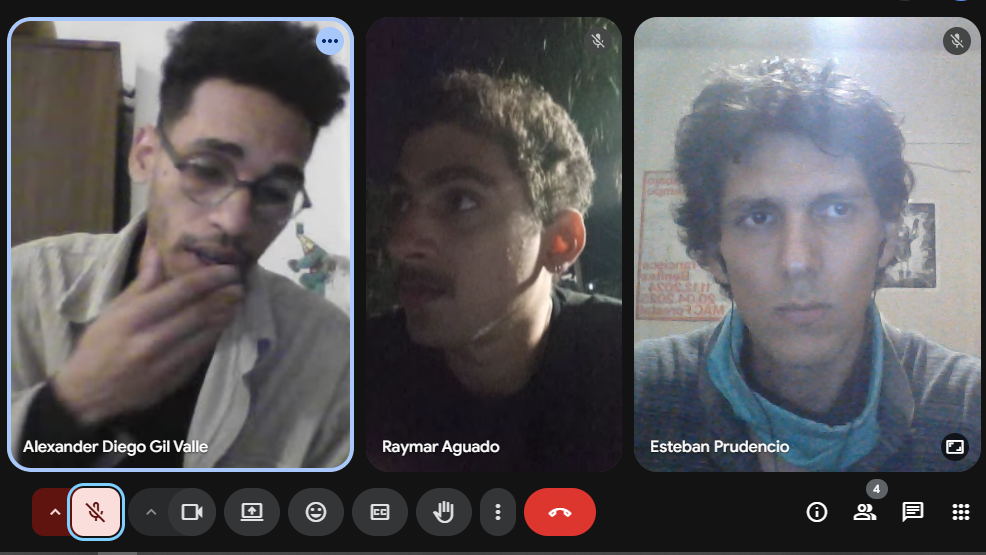
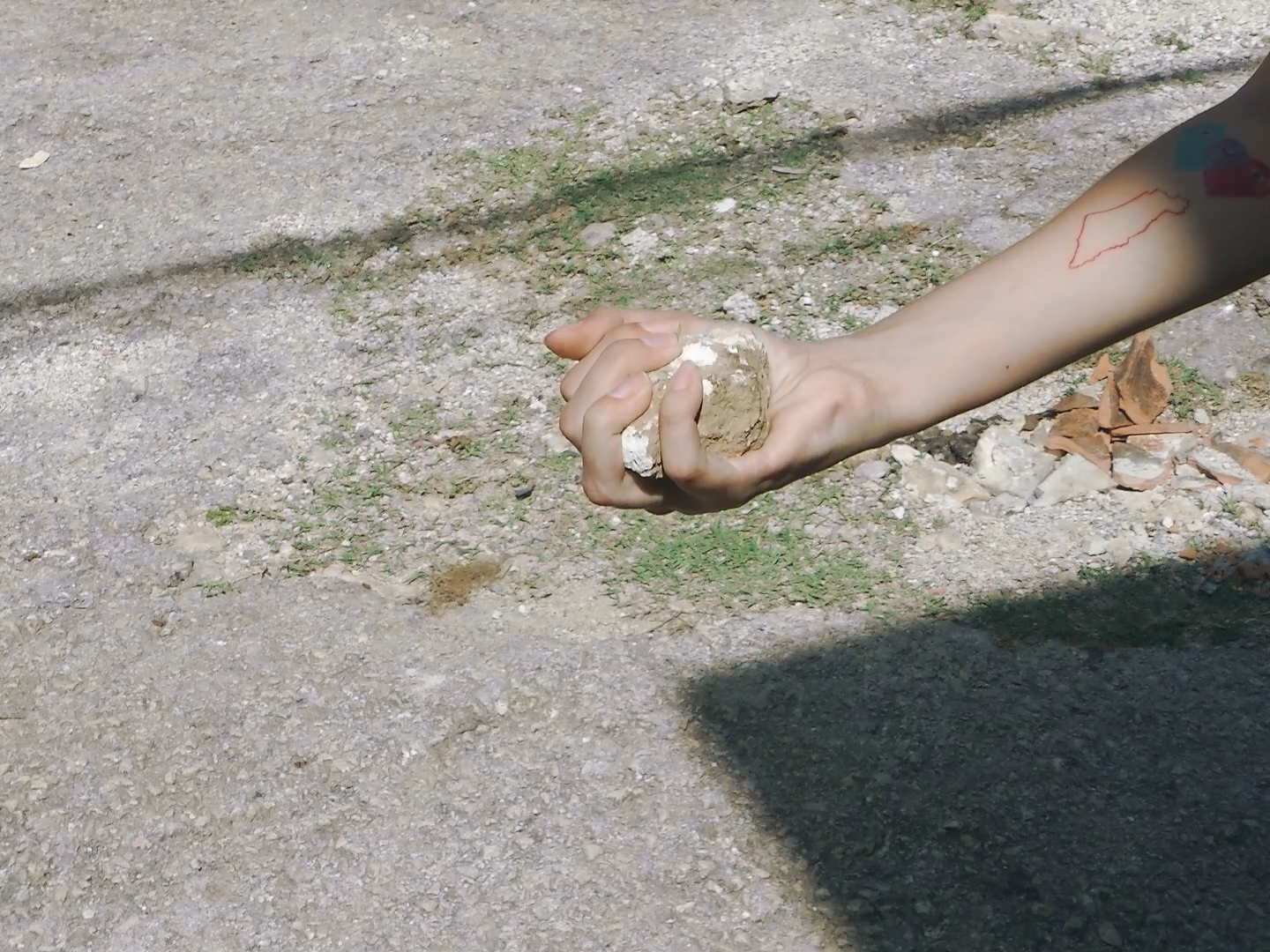
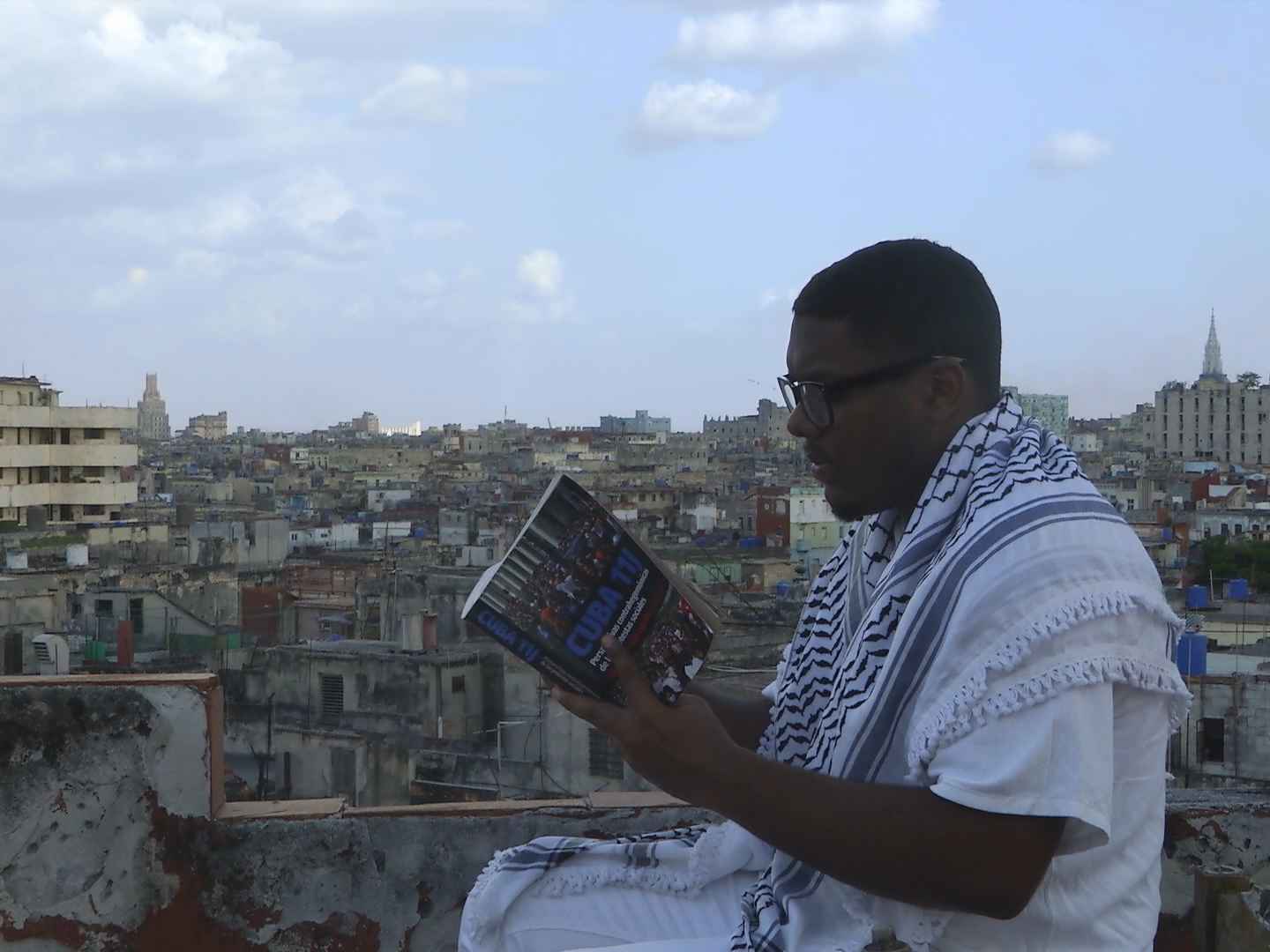
1. – 4. WRITTEN ON A BODY, Film essay, 31 min, 2025, Cuba, Bolivia; 5.– 6. BORDE CHIRIGUANO, co-directed with Carlos Gutiérrez, Film essay, speculative documentary, WIP, Bolivia; 7. – 8. COURSES. COURSES. COURSES. COURSES. COURSES. COURSES. COURSES., Speculative documentary, 18 min, 2025, Cuba, Bolivia; 9. INFRAMUNDO / Speculative documentary, 5 min, 2022, Bolivia; 10. NADA TIENE EL COLOR, with The Plurinational Geoptics Committee, Film essay, speculative documentary, 67 min, 2025, Bolivia; 11. Filmmaker Esteban Prudencio, cuban artist Alexander Diego Gil and cuban writer and activist Raymar Aguado at a virtual meeting discussing the collaborative film essay Written on body at the Sudacas Caóticas Seminar at Buenos Aires, Argentina, 2025.
Artist statement

The dominating reason classifies mysticism as irrational and represses it point-blank. All that is irrational must be destroyed, be it a religious or political mysticism. Revolution, understood as that which takes hold of man and aims his life toward an idea, is the highest spirit of mysticism. Revolutions fail when this possession is not total, when the rebelled man doesn’t liberate himself fully from the repressive reason, when the signs of the struggle aren’t produced at a stimulating and revelatory enough level of emotion, when, “still propelled by a bourgeois reason,” method and ideology blur to the point of paralyzing the transactions of the struggle. 

To the extent that unreason plans all revolutions, reason plans the repression.
—Glauber Rocha, The Aesthetics of Dreaming (1971) 


In times of turmoil and upheaval — which are at once times of extreme numbness and indoctrination — I cannot affirm that cinema can do anything, yet I still choose the path of resistance: of believing, if not affirming, that cinema can do something. That our desire is made of missing images, because they are yet to come, because they are always yet to come, in a permanent, though subtle, revolution. That there are those who insist on demonstrations and results, and forget mystery.

I seek to employ text, image, and archive as mediums and tools for critical and mystical thinking. To ground my research in dialogue with the cultures, populations, and territories I inhabit, and to share knowledge through diverse modes of speculative narration — narratives attuned to the agency of not-only-human elements.

What can a screen, a space, a body do? This question haunts and guides me like a zahorí, like a map, a compass, yet it also challenges me and shatters certainties. If cinema is a vision machine, what vision does it bring us? In our place, in our time. Suspended and scattered. Images that imagine images. Cinema is capable of being both the lubricant and the rattling machine between the overlapping universes that construct us: as propulsions, as subsidiaries, as enclaves in a territory marked by the denial of worldviews and multiple lives, yet still fertile, pregnant, porous. My concerns then amplify towards the realms of the public and the remote. How do we learn to dialogue in the urgency of the event?

No items found.
No items found.
No items found.
ALL generations:
other generations: