5/10/2026
WHW Akademija in Bihać
No items found.

As part of the WHW Akademija programme, the 2026 cohort will spend several days in Bihać, continuing the Akademija’s collaboration with the Center for Contemporary Culture KRAK. The programme will combine collective learning, artistic experimentation, and encounters with the city, with a particular focus on practices that extend beyond conventional educational and exhibition formats.

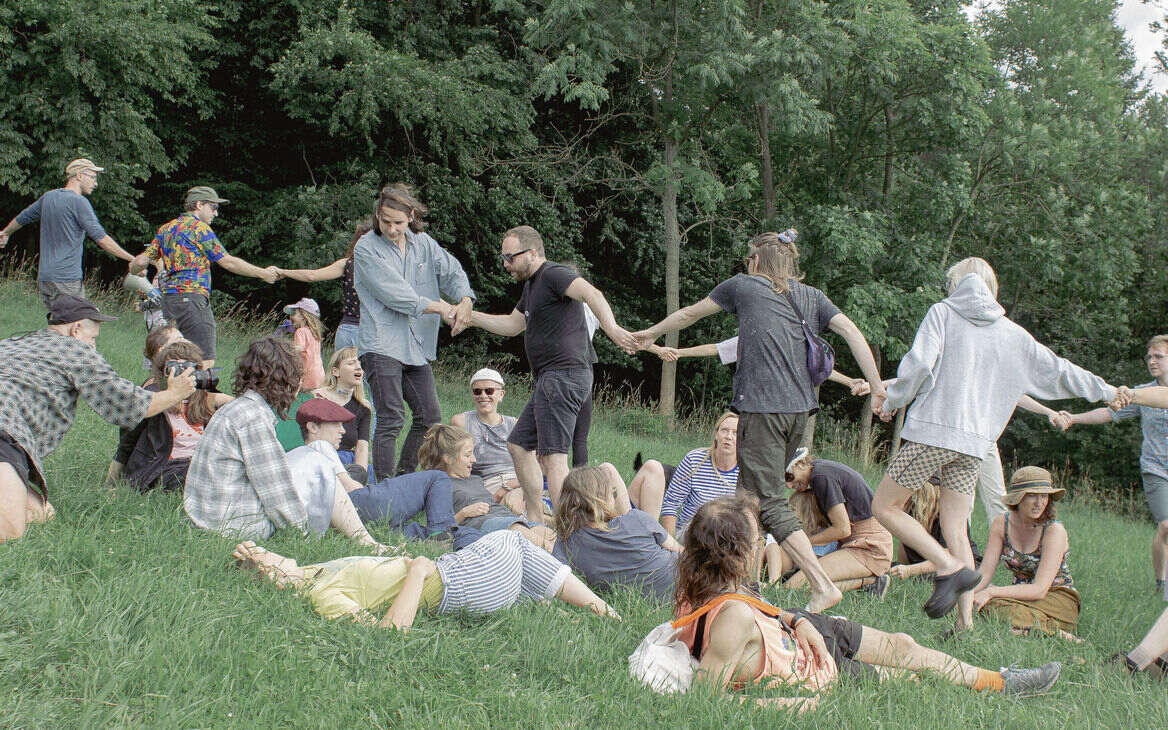
In Bihać, the participants will continue Wordless Poetry, a programme developed by Sebastian Cichocki and initiated during the Akademija’s programme in Zagreb. Drawing inspiration from the work of the KwieKulik duo, Zofia Kulik and Przemysław Kwiek, as well as artists associated with Open Form theory in the 1970s, Wordless Poetry unfolds through a series of actions and experiments centred on non-verbal communication, including visual games, telepathy, and deep listening. The programme deliberately keeps the boundaries of the “class” open and porous, allowing its methods and outcomes to remain open to interpretation. In Bihać, what began in the Akademija’s Zagreb space will move into the public spaces of the city, activating exhibition-making through poems, artefacts, rituals, and collective actions. The participants will also continue to test Allan Kaprow’s proposition from The Education of the Un-Artist, Part I (1971), exploring the shifting relationships between “art as art, non-art as non-art, non-art as art, and art as non-art.”

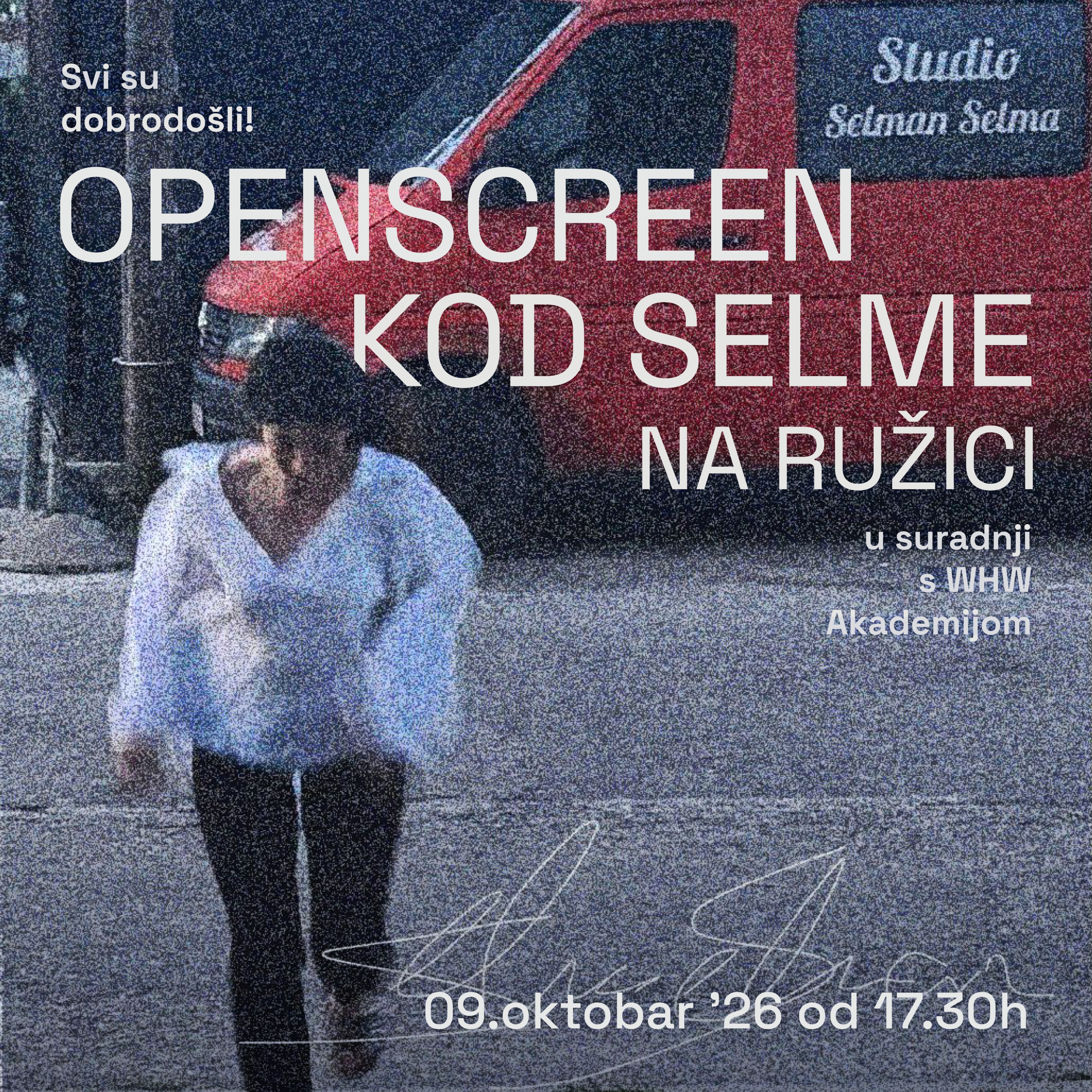
The Bihać programme will also connect with The Openscreen at Selma’s, a festival initiated by artist Selma Selman in her hometown in 2017. Held in and around Selman’s family home, the festival has developed into an informal meeting place, bringing international artists and cultural workers into dialogue with the local Roma community and the wider public in Bihać. Over the years, it has created a space in which artists, children, neighbours, visitors, and other participants encounter one another through screenings, artistic actions, and collective forms of participation.

This year’s edition of The Openscreen at Selma’s will be developed in synergy with WHW Akademija, with participants contributing to the programme and taking part in the festival during their stay in Bihać. Bringing together WHW Akademija’s educational process with a locally rooted and participatory artistic format, the collaboration will create an opportunity for exchange between the participants and the communities gathered around the festival, while extending the WHW Akademija’s work into the social and public spaces of the city.

‍

The main partner of WHW Akademija is Kontakt Collection /  ERSTE Foundation.


WHW Akademija is supported by:

City Office forCulture and Civil Society
FfAI – Foundation for Arts Initiatives
Kultura Nova Foundation
Ministry of Culture and Mediaof the Republic of Croatia
Trust for MutualUnderstanding (TMU)‍

‍

‍

No items found.
WHW Akademija in Bihać
No items found.

As part of the WHW Akademija programme, the 2026 cohort will spend several days in Bihać, continuing the Akademija’s collaboration with the Center for Contemporary Culture KRAK. The programme will combine collective learning, artistic experimentation, and encounters with the city, with a particular focus on practices that extend beyond conventional educational and exhibition formats.

In Bihać, the participants will continue Wordless Poetry, a programme developed by Sebastian Cichocki and initiated during the Akademija’s programme in Zagreb. Drawing inspiration from the work of the KwieKulik duo, Zofia Kulik and Przemysław Kwiek, as well as artists associated with Open Form theory in the 1970s, Wordless Poetry unfolds through a series of actions and experiments centred on non-verbal communication, including visual games, telepathy, and deep listening. The programme deliberately keeps the boundaries of the “class” open and porous, allowing its methods and outcomes to remain open to interpretation. In Bihać, what began in the Akademija’s Zagreb space will move into the public spaces of the city, activating exhibition-making through poems, artefacts, rituals, and collective actions. The participants will also continue to test Allan Kaprow’s proposition from The Education of the Un-Artist, Part I (1971), exploring the shifting relationships between “art as art, non-art as non-art, non-art as art, and art as non-art.”

The Bihać programme will also connect with The Openscreen at Selma’s, a festival initiated by artist Selma Selman in her hometown in 2017. Held in and around Selman’s family home, the festival has developed into an informal meeting place, bringing international artists and cultural workers into dialogue with the local Roma community and the wider public in Bihać. Over the years, it has created a space in which artists, children, neighbours, visitors, and other participants encounter one another through screenings, artistic actions, and collective forms of participation.

This year’s edition of The Openscreen at Selma’s will be developed in synergy with WHW Akademija, with participants contributing to the programme and taking part in the festival during their stay in Bihać. Bringing together WHW Akademija’s educational process with a locally rooted and participatory artistic format, the collaboration will create an opportunity for exchange between the participants and the communities gathered around the festival, while extending the WHW Akademija’s work into the social and public spaces of the city.

‍

The main partner of WHW Akademija is Kontakt Collection /  ERSTE Foundation.


WHW Akademija is supported by:

City Office forCulture and Civil Society
FfAI – Foundation for Arts Initiatives
Kultura Nova Foundation
Ministry of Culture and Mediaof the Republic of Croatia
Trust for MutualUnderstanding (TMU)‍

‍

‍

No items found.
5/10/2026
WHW Akademija in Bihać
 

As part of the WHW Akademija programme, the 2026 cohort will spend several days in Bihać, continuing the Akademija’s collaboration with the Center for Contemporary Culture KRAK. The programme will combine collective learning, artistic experimentation, and encounters with the city, with a particular focus on practices that extend beyond conventional educational and exhibition formats.

In Bihać, the participants will continue Wordless Poetry, a programme developed by Sebastian Cichocki and initiated during the Akademija’s programme in Zagreb. Drawing inspiration from the work of the KwieKulik duo, Zofia Kulik and Przemysław Kwiek, as well as artists associated with Open Form theory in the 1970s, Wordless Poetry unfolds through a series of actions and experiments centred on non-verbal communication, including visual games, telepathy, and deep listening. The programme deliberately keeps the boundaries of the “class” open and porous, allowing its methods and outcomes to remain open to interpretation. In Bihać, what began in the Akademija’s Zagreb space will move into the public spaces of the city, activating exhibition-making through poems, artefacts, rituals, and collective actions. The participants will also continue to test Allan Kaprow’s proposition from The Education of the Un-Artist, Part I (1971), exploring the shifting relationships between “art as art, non-art as non-art, non-art as art, and art as non-art.”

The Bihać programme will also connect with The Openscreen at Selma’s, a festival initiated by artist Selma Selman in her hometown in 2017. Held in and around Selman’s family home, the festival has developed into an informal meeting place, bringing international artists and cultural workers into dialogue with the local Roma community and the wider public in Bihać. Over the years, it has created a space in which artists, children, neighbours, visitors, and other participants encounter one another through screenings, artistic actions, and collective forms of participation.

This year’s edition of The Openscreen at Selma’s will be developed in synergy with WHW Akademija, with participants contributing to the programme and taking part in the festival during their stay in Bihać. Bringing together WHW Akademija’s educational process with a locally rooted and participatory artistic format, the collaboration will create an opportunity for exchange between the participants and the communities gathered around the festival, while extending the WHW Akademija’s work into the social and public spaces of the city.

‍

The main partner of WHW Akademija is Kontakt Collection /  ERSTE Foundation.


WHW Akademija is supported by:

City Office forCulture and Civil Society
FfAI – Foundation for Arts Initiatives
Kultura Nova Foundation
Ministry of Culture and Mediaof the Republic of Croatia
Trust for MutualUnderstanding (TMU)‍

‍

‍

No items found.
No items found.