24/9/2026
The border as a condition: Artistic Practices in Post-Dayton Bosnia-Herzegovina by Irfan Hošić
Evenings with WHW Akademija
No items found.

Main image: Lana Čmajčanin, 551.35 – Geometry of Time, 2014, Engin Şengenç, Photo: Pera Museum

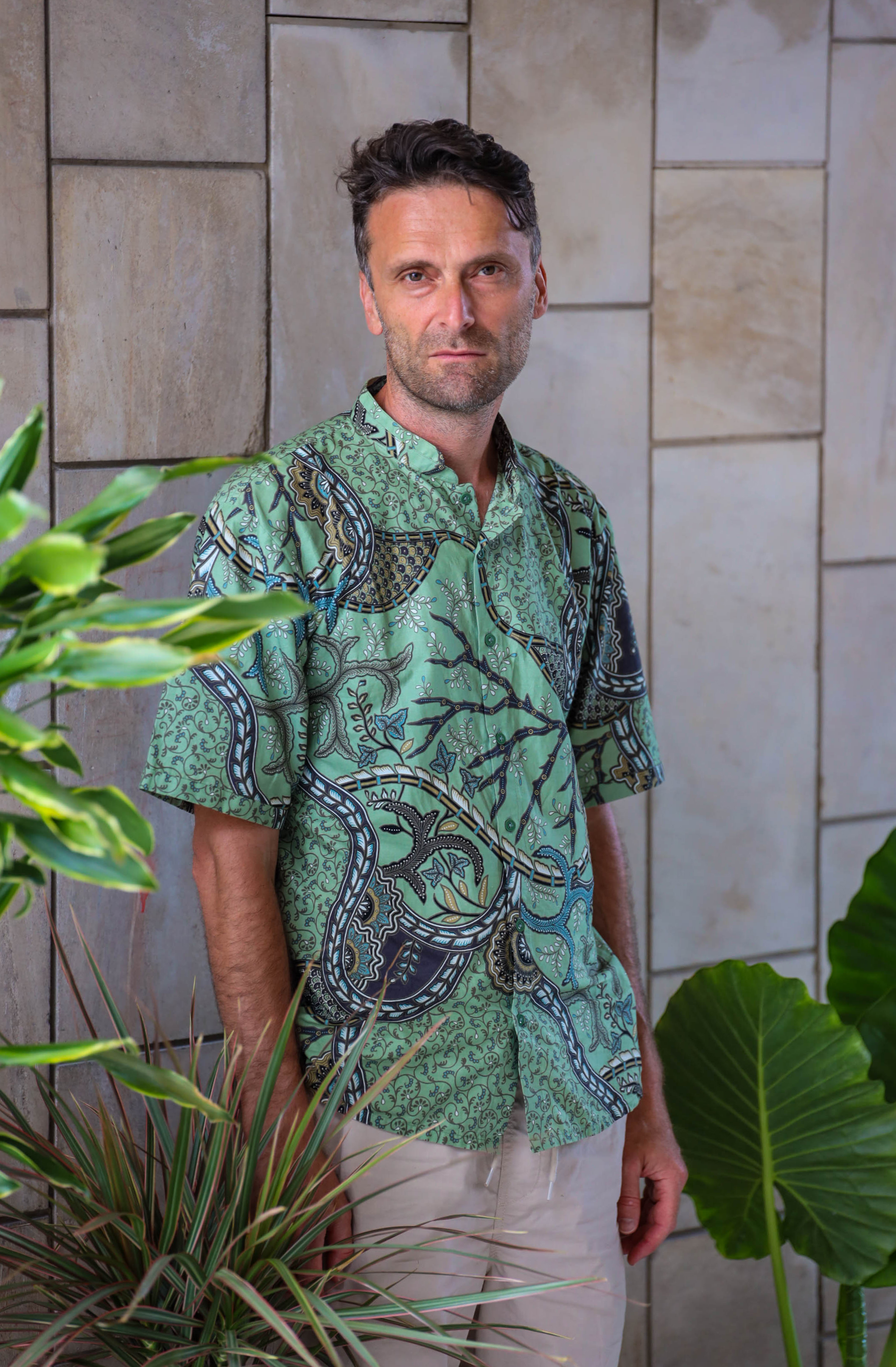
Gallery image: Irfan Hošić, Photo: Mehmed Mahmutović

‍

‍TUESDAY,  6 OCTOBER 2026, 19:00
CROATIAN ARCHITECTS’ ASSOCIATION (UHA)/ ZAGREB SOCIETY OF ARCHITECTS (DAZ)
TRG BANA JOSIPA JELAČIĆA 3/I, ZAGREB

‍

We are opening the autumn program of WHW Akademija 2026 with The Border as a Condition: Artistic Practices in Post-Dayton Bosnia-Herzegovina, a lecture by art historian, curator, and researcher Irfan Hošić, founder of the Center for Contemporary Culture KRAK in Bihać, with whom WHW Akademija collaborates for the second time on its program in Bihać.
‍

Since the fall of Yugoslavia in the nineties, Bosnia-Herzegovina is still caught in a complicated political situation saturated by Serbian/Croatian separatism and Bosnian unitarism, tormented by an unsuccessful transition from socialism to capitalism, and from war to peace. Verified by the Dayton Peace Agreement in 1995, the country emerged as a dynamic laboratory for global diplomacy efforts and a variety of social experiments. In that context the question of borders has been a focal point for diverse artistic research. Artists are using state-, regional-, cantonal- or mental borders as an artistic element loaded with various meanings. The spectrum of interpretation of that artistic vocabulary spans from narration to fiction. In the Bosnian case, border has been perceived as isolation, division, enslavement, insecurity, threat and conflict. This presentation examines artworks made by Lana Čmajčanin, Gordana Anđelić Galić, Lovro Artuković, Maja Bajević, Nermin Duraković and some others.


‍

Irfan Hošić is Associate Professor of art history at the University of Bihać and founder of the KRAK Center for Contemporary Culture. He co-curated Bosnian pavilion at the Venice Biennale in 2013. He is author of two books: Iz/van konteksta (Connectum, Sarajevo 2013) and Slika krize (Buybook, Sarajevo 2025). He was curator-in-residence at the Singapore Art Museum (2024), Fulbright Visiting Scholar at the College for Creative Studies and Wayne State University in Detroit (2019/2020). Hošić holds the Igor Zabel Grant Award (Igor Zabel Association for Culture and Theory, 2024), Patterns Lectures Award (Erste Stiftung and WUS Austria, Vienna/Graz 2016) and the Culture Watch Award (BIRN, Belgrade 2012).

The lecture is a part of the WHW Akademija program.  WHW Akademija is funded by Kontakt Art Collection, ERSTE Foundation, Foundation for Arts Initiatives, Trust for Mutual Understanding. The programme will be held in English.

We thank Croatian Architects’ Association (UHA) for hosting the program.

‍

The program is supported by:

Office for Culture and Civil Society of the City of Zagreb

Kultura Nova Foundation
‍

No items found.
Evenings with WHW Akademija
The border as a condition: Artistic Practices in Post-Dayton Bosnia-Herzegovina by Irfan Hošić
No items found.

Main image: Lana Čmajčanin, 551.35 – Geometry of Time, 2014, Engin Şengenç, Photo: Pera Museum

Gallery image: Irfan Hošić, Photo: Mehmed Mahmutović

‍

‍TUESDAY,  6 OCTOBER 2026, 19:00
CROATIAN ARCHITECTS’ ASSOCIATION (UHA)/ ZAGREB SOCIETY OF ARCHITECTS (DAZ)
TRG BANA JOSIPA JELAČIĆA 3/I, ZAGREB

‍

We are opening the autumn program of WHW Akademija 2026 with The Border as a Condition: Artistic Practices in Post-Dayton Bosnia-Herzegovina, a lecture by art historian, curator, and researcher Irfan Hošić, founder of the Center for Contemporary Culture KRAK in Bihać, with whom WHW Akademija collaborates for the second time on its program in Bihać.
‍

Since the fall of Yugoslavia in the nineties, Bosnia-Herzegovina is still caught in a complicated political situation saturated by Serbian/Croatian separatism and Bosnian unitarism, tormented by an unsuccessful transition from socialism to capitalism, and from war to peace. Verified by the Dayton Peace Agreement in 1995, the country emerged as a dynamic laboratory for global diplomacy efforts and a variety of social experiments. In that context the question of borders has been a focal point for diverse artistic research. Artists are using state-, regional-, cantonal- or mental borders as an artistic element loaded with various meanings. The spectrum of interpretation of that artistic vocabulary spans from narration to fiction. In the Bosnian case, border has been perceived as isolation, division, enslavement, insecurity, threat and conflict. This presentation examines artworks made by Lana Čmajčanin, Gordana Anđelić Galić, Lovro Artuković, Maja Bajević, Nermin Duraković and some others.


‍

Irfan Hošić is Associate Professor of art history at the University of Bihać and founder of the KRAK Center for Contemporary Culture. He co-curated Bosnian pavilion at the Venice Biennale in 2013. He is author of two books: Iz/van konteksta (Connectum, Sarajevo 2013) and Slika krize (Buybook, Sarajevo 2025). He was curator-in-residence at the Singapore Art Museum (2024), Fulbright Visiting Scholar at the College for Creative Studies and Wayne State University in Detroit (2019/2020). Hošić holds the Igor Zabel Grant Award (Igor Zabel Association for Culture and Theory, 2024), Patterns Lectures Award (Erste Stiftung and WUS Austria, Vienna/Graz 2016) and the Culture Watch Award (BIRN, Belgrade 2012).

The lecture is a part of the WHW Akademija program.  WHW Akademija is funded by Kontakt Art Collection, ERSTE Foundation, Foundation for Arts Initiatives, Trust for Mutual Understanding. The programme will be held in English.

We thank Croatian Architects’ Association (UHA) for hosting the program.

‍

The program is supported by:

Office for Culture and Civil Society of the City of Zagreb

Kultura Nova Foundation
‍

No items found.
24/9/2026
Evenings with WHW Akademija
The border as a condition: Artistic Practices in Post-Dayton Bosnia-Herzegovina by Irfan Hošić
 

‍TUESDAY,  6 OCTOBER 2026, 19:00
CROATIAN ARCHITECTS’ ASSOCIATION (UHA)/ ZAGREB SOCIETY OF ARCHITECTS (DAZ)
TRG BANA JOSIPA JELAČIĆA 3/I, ZAGREB

‍

We are opening the autumn program of WHW Akademija 2026 with The Border as a Condition: Artistic Practices in Post-Dayton Bosnia-Herzegovina, a lecture by art historian, curator, and researcher Irfan Hošić, founder of the Center for Contemporary Culture KRAK in Bihać, with whom WHW Akademija collaborates for the second time on its program in Bihać.
‍

Since the fall of Yugoslavia in the nineties, Bosnia-Herzegovina is still caught in a complicated political situation saturated by Serbian/Croatian separatism and Bosnian unitarism, tormented by an unsuccessful transition from socialism to capitalism, and from war to peace. Verified by the Dayton Peace Agreement in 1995, the country emerged as a dynamic laboratory for global diplomacy efforts and a variety of social experiments. In that context the question of borders has been a focal point for diverse artistic research. Artists are using state-, regional-, cantonal- or mental borders as an artistic element loaded with various meanings. The spectrum of interpretation of that artistic vocabulary spans from narration to fiction. In the Bosnian case, border has been perceived as isolation, division, enslavement, insecurity, threat and conflict. This presentation examines artworks made by Lana Čmajčanin, Gordana Anđelić Galić, Lovro Artuković, Maja Bajević, Nermin Duraković and some others.


‍

Irfan Hošić is Associate Professor of art history at the University of Bihać and founder of the KRAK Center for Contemporary Culture. He co-curated Bosnian pavilion at the Venice Biennale in 2013. He is author of two books: Iz/van konteksta (Connectum, Sarajevo 2013) and Slika krize (Buybook, Sarajevo 2025). He was curator-in-residence at the Singapore Art Museum (2024), Fulbright Visiting Scholar at the College for Creative Studies and Wayne State University in Detroit (2019/2020). Hošić holds the Igor Zabel Grant Award (Igor Zabel Association for Culture and Theory, 2024), Patterns Lectures Award (Erste Stiftung and WUS Austria, Vienna/Graz 2016) and the Culture Watch Award (BIRN, Belgrade 2012).

The lecture is a part of the WHW Akademija program.  WHW Akademija is funded by Kontakt Art Collection, ERSTE Foundation, Foundation for Arts Initiatives, Trust for Mutual Understanding. The programme will be held in English.

We thank Croatian Architects’ Association (UHA) for hosting the program.

‍

The program is supported by:

Office for Culture and Civil Society of the City of Zagreb

Kultura Nova Foundation

‍

No items found.
No items found.

Main image: Lana Čmajčanin, 551.35 – Geometry of Time, 2014, Engin Şengenç, Photo: Pera Museum

Gallery image: Irfan Hošić, Photo: Mehmed Mahmutović

‍