BETÜL AKSU

These images are part of Vranofça Archive, an ongoing research project that traces the stories of Muslim Macedonian families who migrated from Yugoslavia to Turkey in the 1950s, a movement that shaped the artist’s own family history. Through photographs, recipes, oral histories, video, and everyday rituals of the home, the project explores forms of knowledge transmitted among women across generations. These works reflect on how memory circulates outside official archives and how domestic life becomes another way of carrying and recording history.
INES BOROVAC
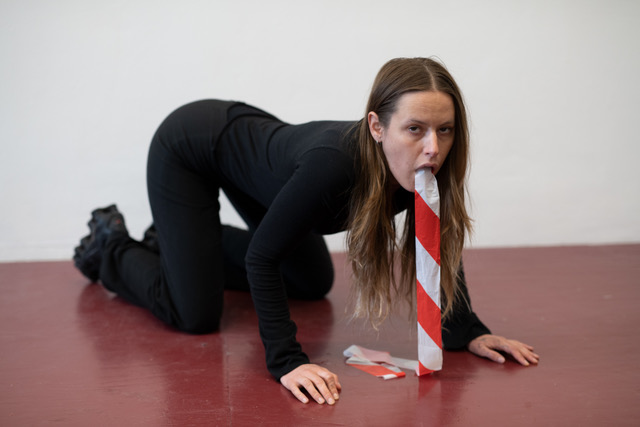
Inspired by the parasitic logic of systemic violence, A Foreign Body (2026) examines the body as a site of infection, shaped and destabilized by the hostile conditions that produce somatic trauma. The work interrogates pathways through which violence embeds itself beneath the skin: in the belly twisting feeling of estrangement, the exhaustion caused by the constant state of fight or flight, panic-attack nausea, and the gag inducing apathy. These are symptoms, embodied consequences and conditions of a body violently denied belonging. Concealed beneath the apparent neutrality of rules, laws, and social norms, systemic violence penetrates the body like a parasite, attaching itself like a tick, coiling through it like a snake, relentlessly infecting new hosts. A Foreign Body exposes this invisible occupation of the body, revealing the violent and nauseating struggle of a body attempting to expel the parasite of systemic violence from its home.
FARAH HASANBEGOVIĆ
Can we be born guilty?
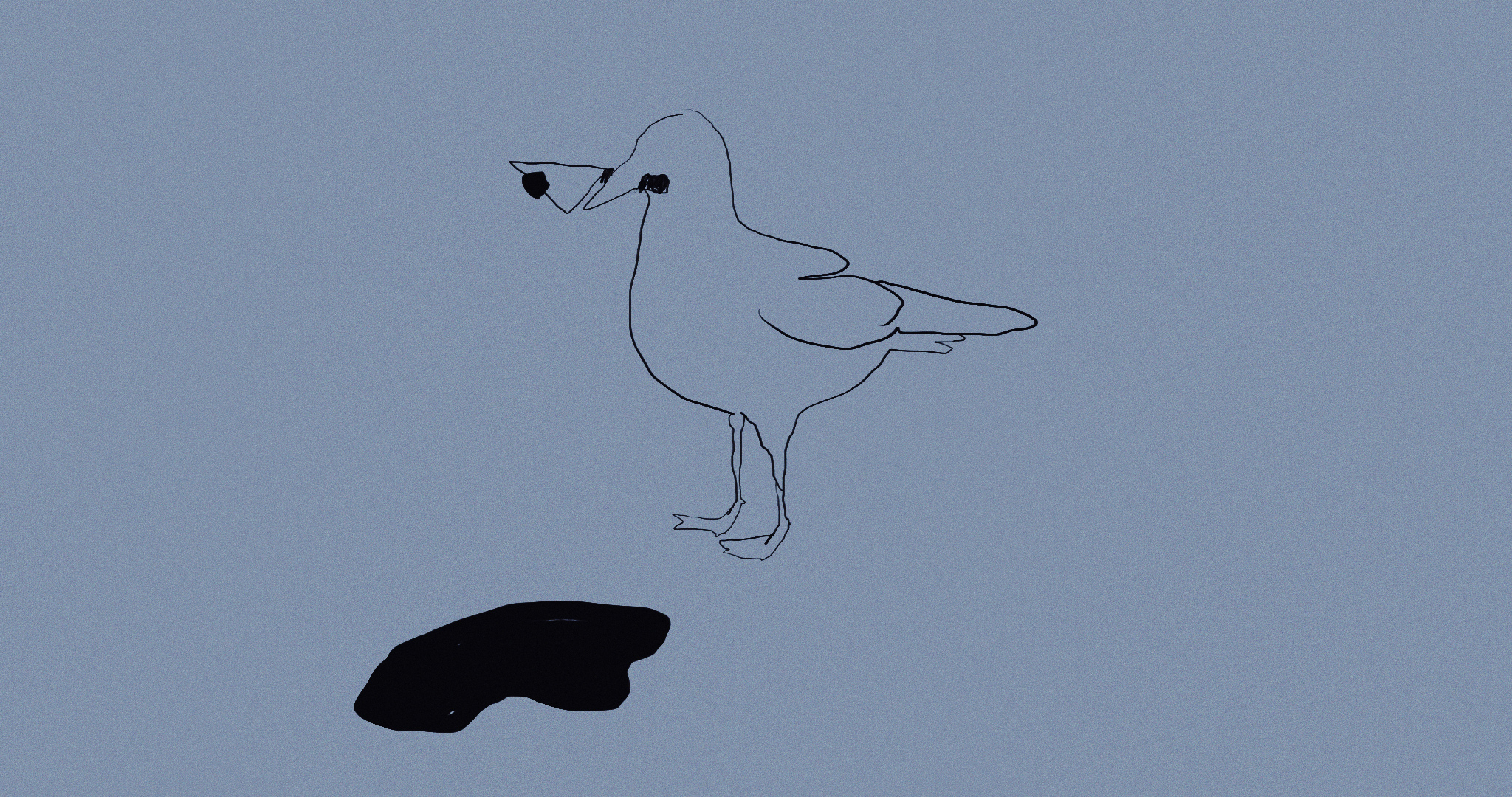
Starting from an account of a medical condition, Ribs (2022) uses animation to search for the origin of the elements of the story we tell ourselves about our lives. The making process both replicates and confronts the obsessive qualities of guilt through the slow, tedious work of traditional animation, for which each frame is drawn by hand, constantly rewinding and skipping slightly forward, only to go back again. What results is a sensorial meditation on the material weight of feelings. In an uncertain time, Farah mediates the discomfort of an embodied wrongness with the certainty of organic forms in motion, their flowing rhythmic gestures, the imagined solidity of any outline other than one’s own. Ribs is an exploration of what it means to think that there is something fundamentally broken in you and a speculative proposal for how to live with it.
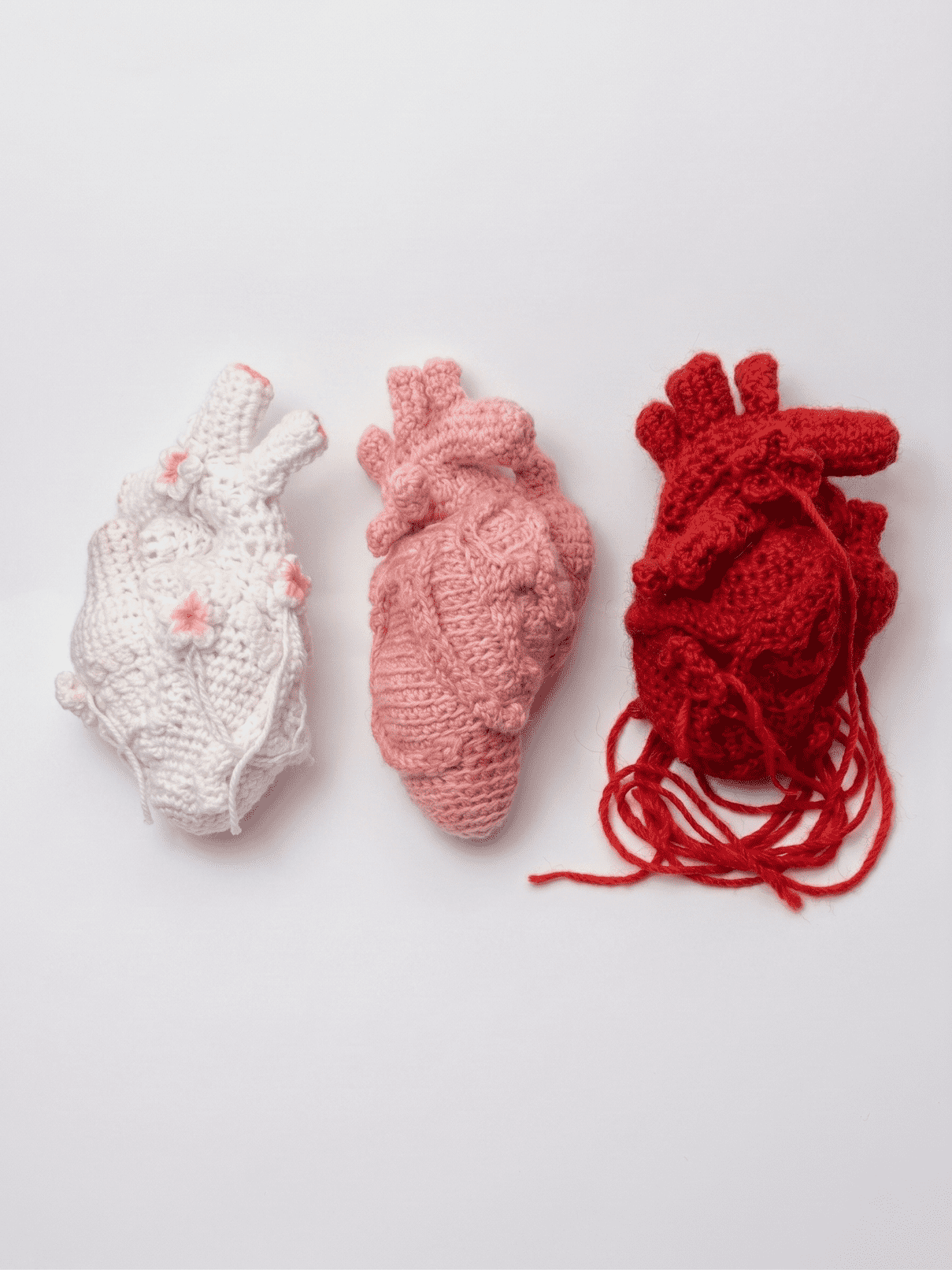
An artifact recovered in three stages of use.
Produced as part of a practice taken on as a way to relieve physical symptoms of anxiety, Inhabiting (2023/2026) is an effort to extract, embody and articulate the artist’s fears about the permanence of change. In the mythology of the artist’s homeland, there is a goddess that sits on a person’s heart and, over time, weighs it down until it breaks. A practical way to confront this issue would be to somehow occasionally inspect one’s heart, but as with all medical examinations, the test can be too early or late to catch something, or the affliction can be invisible to the human eye. This presentation of the work does not insist on a strict linear progression between different stages of the artifact, instead leaving it up to the viewer to pick an order in which to read and reflect on each stage. The same goddess responsible for crushing the heart is also the goddess of rebirth.
Inhabiting exists in dialogue with an entity that appears in the work Ribs (2022), and is a part of an ongoing artistic research into the genetic and cultural inheritance of trauma.
IOANA LUPASCU
The short text piece How Long is the Journey (2023) expands the question of diasporic time into emotional and material dimensions. Part of a longer research project mapping transformation in rural post-socialist spaces as a consequence of pendular migration, the work exists both as a standalone piece, and as textual residue from the audio walk I am looking at her looking at them looking at me (2022). It was published in the book Seasonal Matters, Rural Relations (2025) by Seasonal Neighbours.
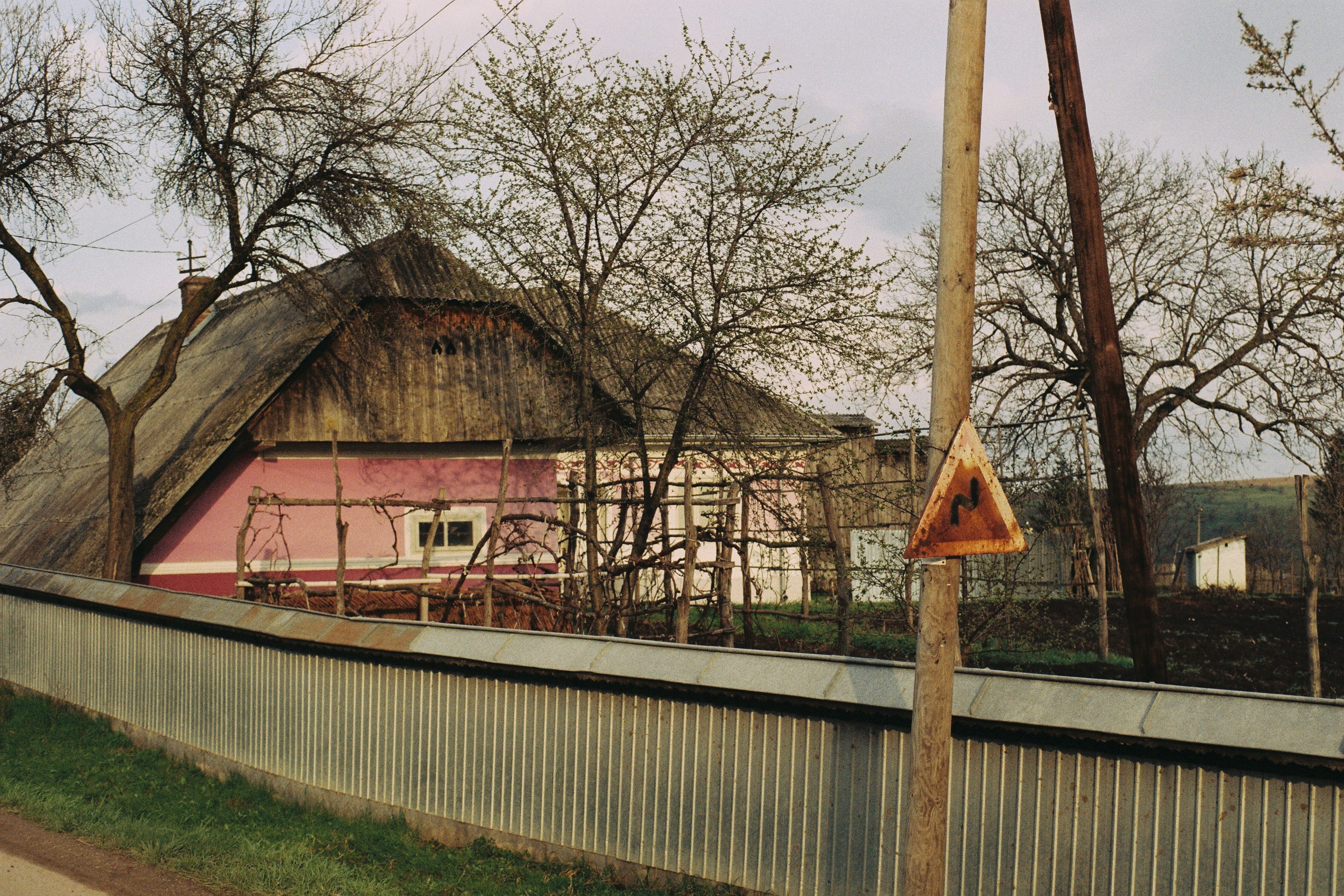
These are four postcards from an ongoing series Rural Places (2025-) which uses analogue photography to document scenes from the countryside of Romania—landscapes, gardens, streets from the same village. The postcards come pre-stamped, ready to be mailed to another person or place.
KLODIANA MILLONA

Metallic Taste of Patience (2024) maps the invisible architecture produced by the weaponization of waiting within institutionalized visa regimes. Taking as its point of departure the immigration and naturalization process in the Netherlands, the book draws on eight years of auto-ethnographic research conducted while living and working in the country. Through this long-duration inquiry, it reflects on artistic practice as a form of trickery, a means of navigating a serpentine bureaucratic process that has indelibly shaped both the artist’s life and work.
ESTEBAN PRUDENCIO
.png)
Every July 11th since 2021, an anti-authoritarian revolution is born in Cuba.
The film essay Written on a Body (2026) continues the popular outcry that began then in San Antonio de los Baños, the town that witnessed the largest popular demonstrations on the island since 1959. Diverse, powerful, and untamable voices converge: political prisoners, activists, dissidents, artists, intellectuals, poets... Ordinary people, people of Cuba. Its clearest premise: the right to speak. Its most logical objective: to generate friction, ruptures, clashes, and discomfort, but above all, to open a new door for a kidnapped dialogue.
Raymar Aguado Hernández
MIA RIBIĆ
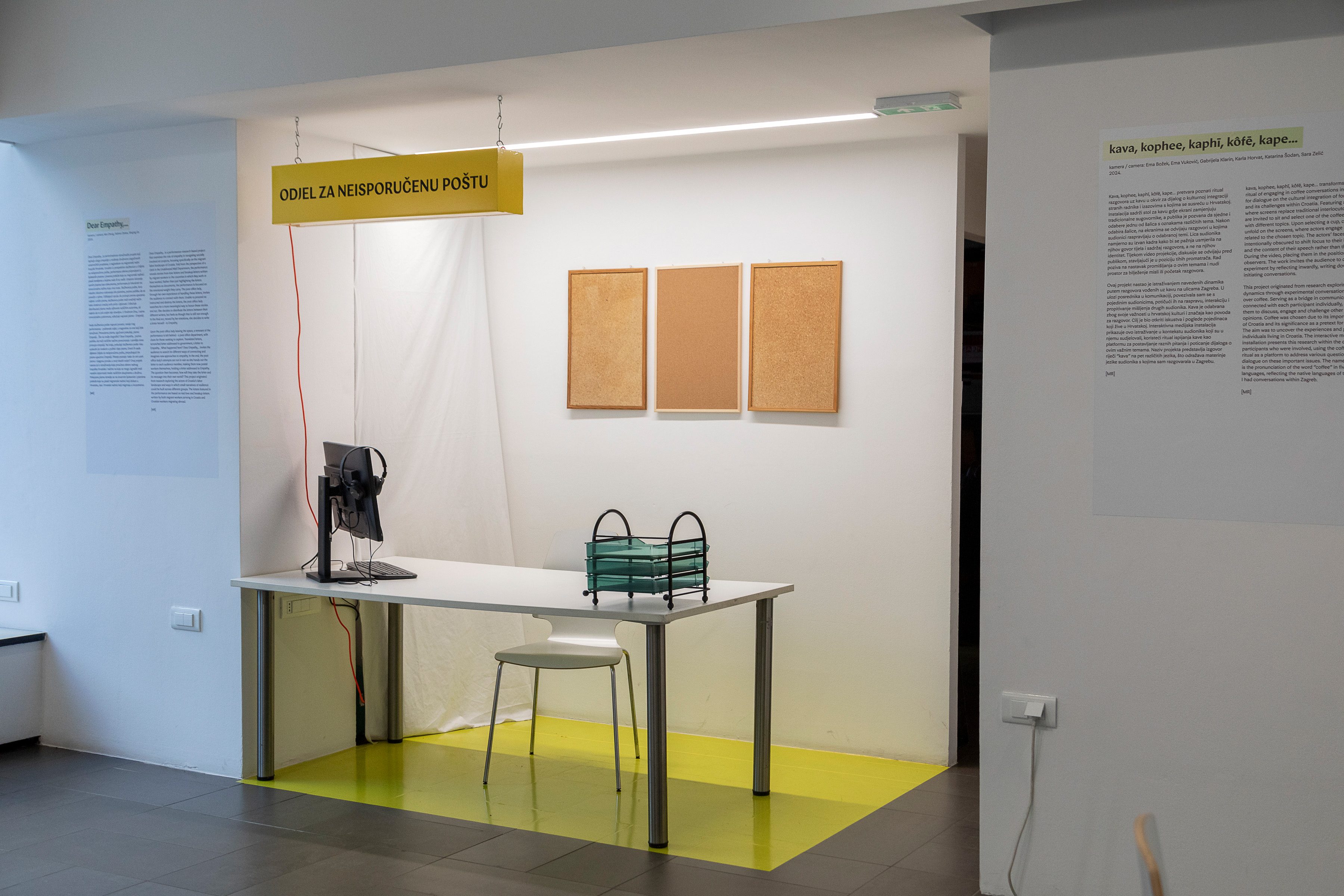
Dear Empathy… (2024) is a project that examines the role of empathy in navigating socially engaged art projects. It takes as a case study the migrant labor situation within Croatia. Told from the perspective of a post office ladyemployee, the audio reveals stories from real love letters and breakup letters written by both migrant workers in Croatia and Croatian citizens working abroad. Rather than just offering the letters themselves as a historical archive, the piece prompts the audience to explore the emotional weight these missives carry. The postal worker leaves out the letters addressed to “Empathy” for each visitor to take with them. Through this gestures, she enlists them as colleagues, imploring them.
HANA SELENA SOKOLOVIĆ
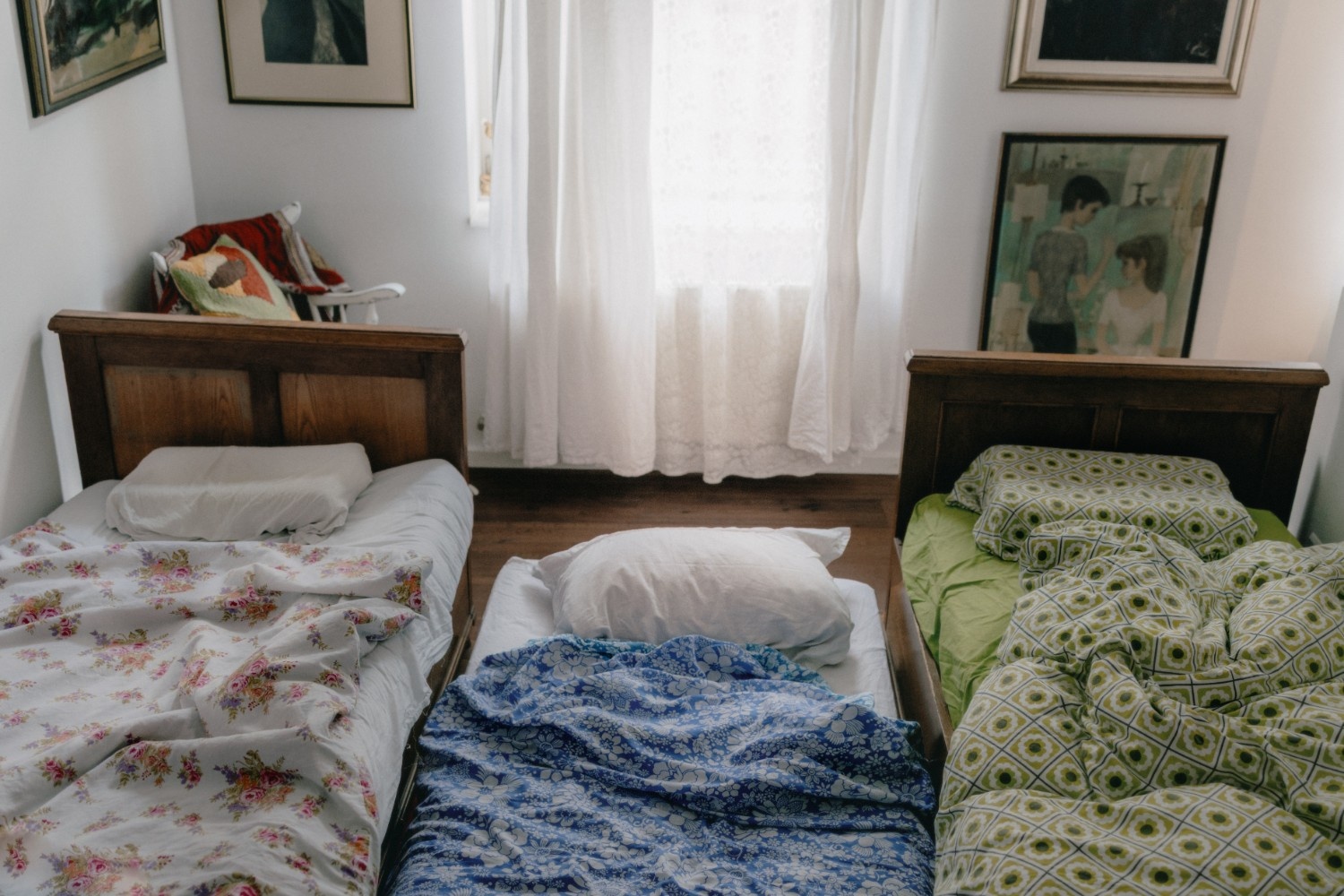
There are no photographs from the year my sisters, eight and ten at the time, fled Sarajevo at the beginning of the Bosnian War. What remains is a diary, written by my oldest sister. She wrote through displacement, and that writing became the only testimony in our family archive that speaks to a time I did not witness but have come to know through her words and the stories passed down within our family—a time that has deeply impacted the course of our lives and continues to shape my sense of family, identity, and belonging.
The diary covers a period from spring 1992 to winter 1993. It was during this time that my family moved through several temporary homes across Croatia before eventually settling in Zagreb. In Dear Orchid (2025), I return to these places with my other sister and our father. Using the diary as a guide, we traced a path from Sarajevo to Jelsa, Hvar, and finally Zagreb, revisiting landscapes carrying the memory of their displacement. This journey became the foundation for Dear Orchid, a body of work comprising a 18-minute film, a series of photographs and a publication.
This act of return, personal, political, and embodied—asks how the postwar generation might carry its inheritances with care and responsibility. To engage with the archive is to engage with history not as past, but as structure, active, transmitted, and embedded in the present, carried through generations of sisterhood. The archive, like grief, demands to be held, as something unfinished, unresolved, and still urgently alive.
MAŠA SENIČIĆ
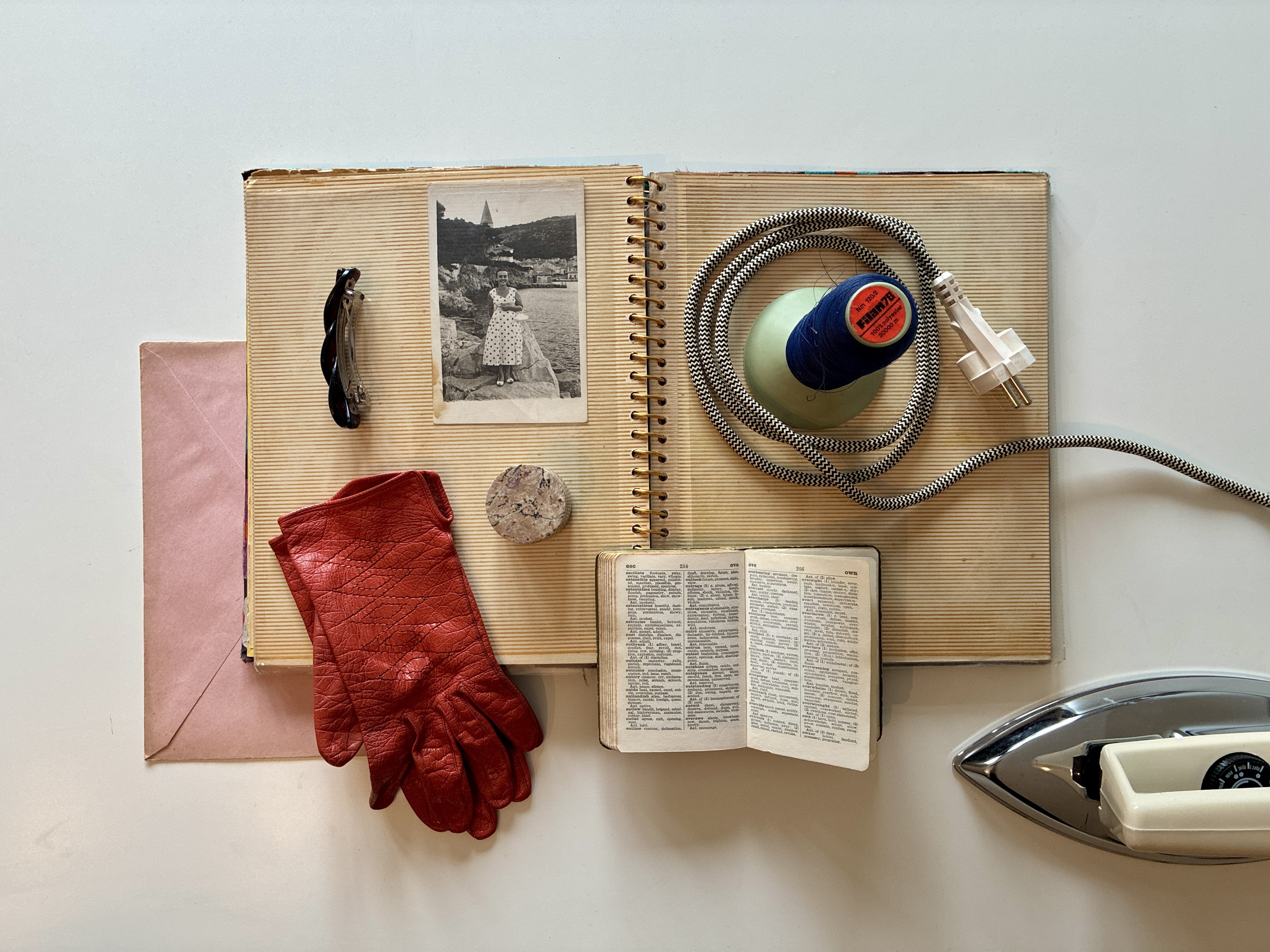
VERLAND, LIKE ANY WILDFIRE : The Unreliable Inventory, The Interior of Forgetting (2026) cobbles together a selection of objects clearly displaced, with little sign of intervention. Some of the items originate from my grandmother’s apartment, while others are introduced as gathered substitutions/suggestions, their provenance deliberately obscured. The coexistence of the factual and the fictional reflects a methodological choice, but also the condition shaped by my grandmother’s dementia, in which memory becomes fragmented and resistant to verification. Even prior to illness, her figure existed primarily through her roles and stories; therefore, no object can be perceived as a stable referent, but rather as an mnemonic device within an attempt to assemble a coherent narrative. This instability extends into the sonic layer, where recorded traces of what was once a family apartment coexist with spoken words that drift between recollection and invention.
The work adopts a self-ironizing distance toward the contemporary proliferation of autofiction, resisting the impulse to romanticize personal history and instead engaging in it as a form of archival and affective inquiry. If memory is always partial, mediated, and constructed, on what grounds does the seemingly real–which we still glorify in the arts–even claim its authority? The answer will also be pursued through my upcoming poetry book, bearing the name of this work and retaining its material foundations.
The installation is meant to be touched. Visitors are invited to engage with the objects, listen to the apartment’s soundscape, and hear the poetry reading.
ABD TAMMAA

Marks on the Ground, Hands in the Air (2026) unfolds as an inquiry, in which participatory witnessing becomes a collective labor, a shared struggle against simplistic resolutions.
This piece acts as a protective barrier. It constitutes one part of a larger installation reflecting on Paul-Albert Besnard’s 1926 painting La Paix et la Justice, which hangs in the International Court of Justice in The Hague. The work engages with the complicity that ushers in the local and global performance of justice, resonating with the poetics of participation.
SANA SHAHMURADOVATANKSA
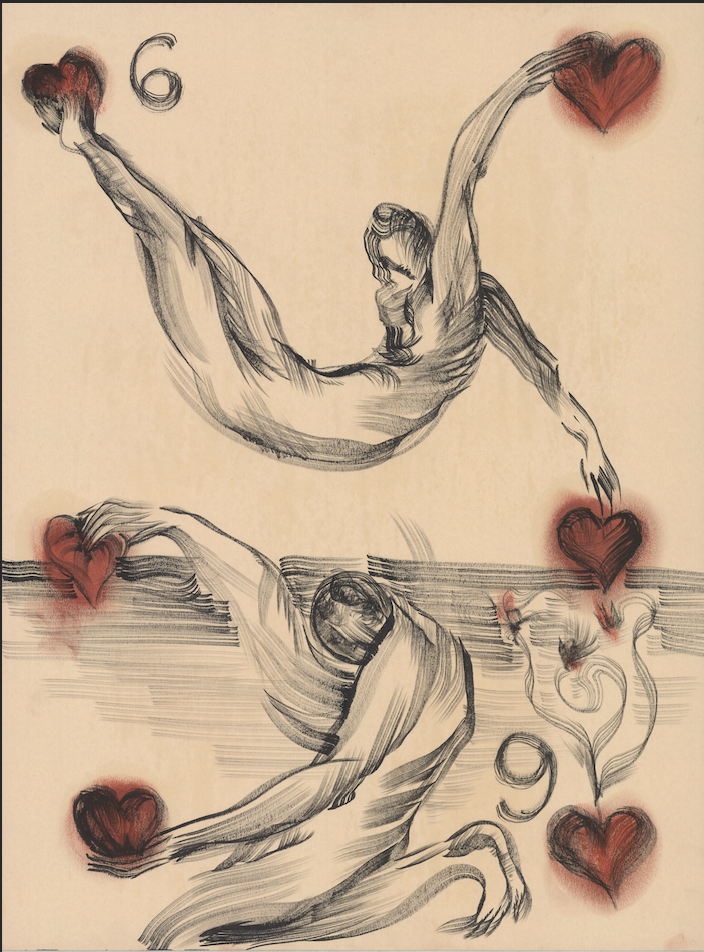
While the coexistence of joy and suffering offered by our path in this world can feel at times to be hardly bearable, this card deck responds an invitation to imagine a playful inter-dynamics of feelings and experiences.
In a constant fight for truth despite the pain of unsuccessful attempts, I found myself anticipating love and truth, in places where irony and fear coexist as old friends.
PAULA TONČIĆ

In Trocadero (2025), a video named after a now-closed 1990s Croatian discotheque, Tončić immerses the viewer in a hallucinogenic morphing of Balkan kitsch, car tuning culture, and ruined interiors. The work is built from selections from the artist's personal archive, as well as documentation and photographs taken at Zagreb's rave clubs and afterparties. What AI generates is not the imagery itself, but the camera movement between frames: a fluid drift that animates the spaces between photographs, dissolving boundaries, and conjuring the illusion of continuous presence. Bodies break down into vibrating traces, anonymity becomes freedom, and everything lasts only as long as rhythm persists. By dawn it leaves only blurred marks, photographs, and the fragile archaeology of the night. Across her work, Tončić proposes identity as an assemblage of residues: a haunting choreography of objects, desire, and fleeting rituals stalled between archive and hallucination. Her practice becomes an archaeological fiction, transforming collected remnants into fabricated memories, narratives that were never lived yet begin to feel strangely real within a shrinking present.